Is Your Roof Prepped for Harsh Winters?

The winter months can wreak havoc on roofs and other structures. Unpredictable weather that brings ice, snow, and high winds can cause headaches for those in the building management industry. Today’s episode of the MarketScale Building Management Podcast features a conversation with two experts in the roofing industry, Kent Schwickert of the National Roofing Contractors Association and Jeff Broderick of Roof Options.
Also on this week’s episode, cybersecurity attorney Shawn Tuma from Spencer Fane LLP joined to discuss how to protect data in a world that includes more publicly accessible cameras than ever.
In Winter, Roofs Are Like Driveways–Shovel and Salt Them Regularly
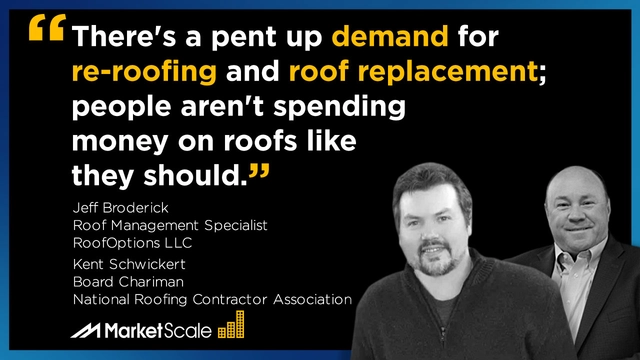 Winter months are no doubt a challenge for both building managers and contractors in the roofing industry, says Kent Schwickert, of the National Roofing Contractors Association.
“The seasonality of roofing … it depends where you are. If you’re a contractor from Minnesota, you can expect it’ll be fairly lousy this time of year,” Schwickert says.
Though this particular winter season is slow as usual, it’s not for a lack of business. “In general the roofing market is up. There’s a pent up demand for re-roofing and roof replacement [because] people aren’t spending money on roofs like they should, so it becomes a snowball.”
To prevent a catastrophic snowball effect, roofing management specialist Jeff Broderick of Roof Options in Chicago shares tips for maintaining your commercial roof on this episode of the Building Management Podcast.
The Cameras are Rolling, Who is Watching?
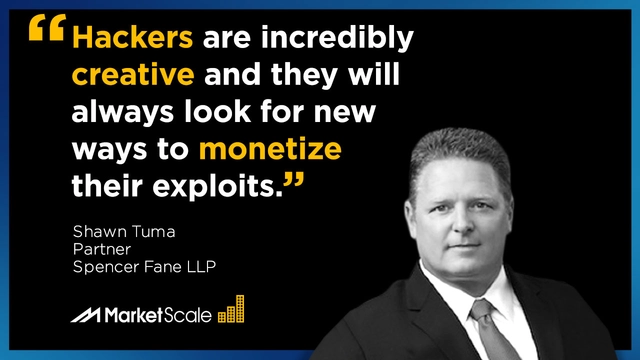
A recent study by a Beijing-based research institute shows that the United States has the third highest number of cameras that can be accessed by public networks — things like your cell phone, webcam, or even smart home devices like a doorbell. So how concerned should we be that these devices we use in our everyday lives could be used for nefarious reasons if accessed by the wrong people?
Our Scott Sidway spoke with cybersecurity attorney Shawn Tuma from Spencer Fane LLP in North Texas about how widespread these potential risks are, how serious they could be, and what you can do to make sure yours are always as safe as possible.