Inflation Gets a Boost From Higher Wages and Import Prices, New York Fed Study Says

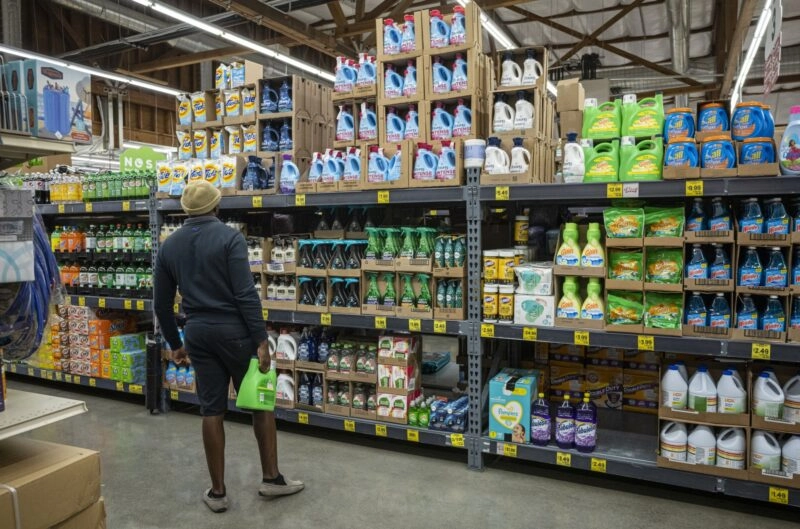
(Bloomberg) — US consumer inflation, which is running near the fastest pace in 40 years, has been increasingly affected by higher wages and import prices, according to a new study from the Federal Reserve Bank of New York.
“We find that the pass-through of wages and input prices to the US producer price index has grown during the pandemic,” authors Mary Amiti, Sebastian Heise, Fatih Karahan, and Aysegul Sahin said in a posting on the bank’s website Tuesday. “Both the large changes in these costs and a higher pass-through into domestic prices have contributed toward higher inflation.”
The Fed is raising interest rates rapidly to counter price pressures, with 75 basis-point increases delivered at each of its last two policy meetings and the same again potentially on the table when officials gather next month.
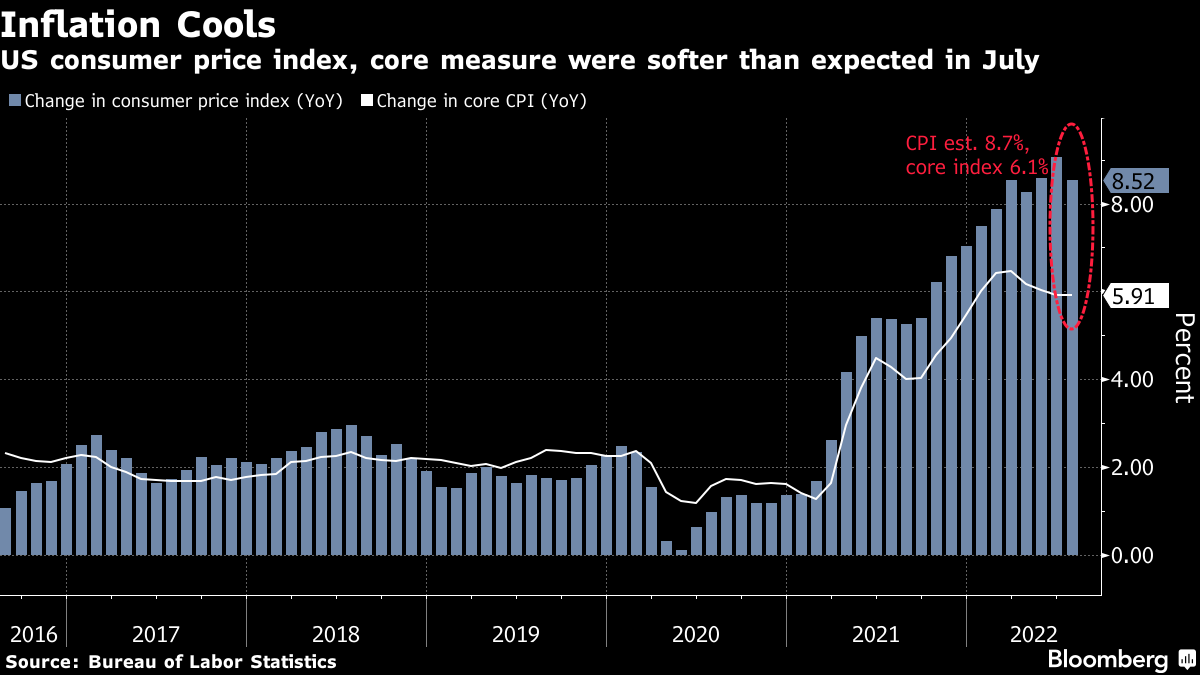
Consumer prices rose 8.5% over the year through July, which was slightly cooler than forecast but still far higher than the Fed wants. It targets 2% inflation, measured by a different gauge called the personal consumption expenditures price index, which climbed 6.8% in the 12 months through June.
The study found that the pick-up in goods inflation in the current economic expansion is the strongest since the 1970s, with prices of services also accelerating recently. It also highlighted rising wages, particularly in service-providing industries, which it tied to the tight labor market where unemployment declined to 3.5% last month, matching a five-decade low.
“Our results indicate that imported input prices and wages have had a significant effect on US domestic prices in recent months,” the authors wrote. “This large effect stems both from their relatively larger increases and a higher pass-through rate.”
They also found that prices in the traded sector have become more correlated with foreign competitors’ prices, “most likely because all firms are experiencing the same shocks.”
More stories like this are available on bloomberg.com.
©2022 Bloomberg L.P.