Accelerating Texas K12 Education: Connecting the real world to the classroom.
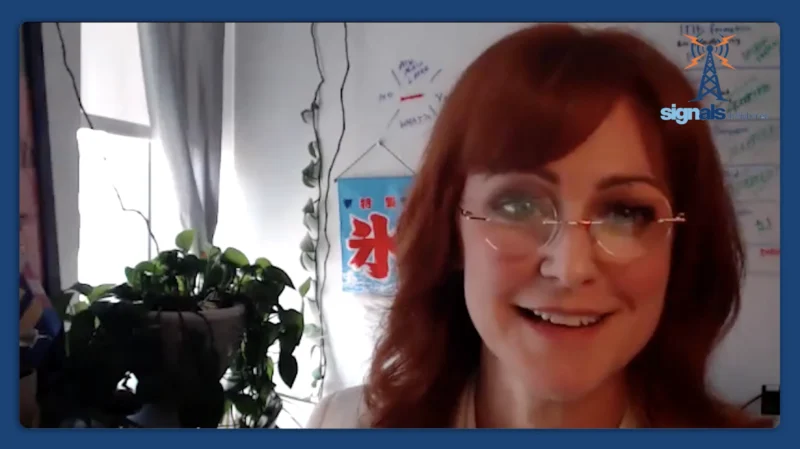
For twenty-seven years, Jen Meyer, President of Science Teachers Associations of Texas (STAT) and educator, has been well-versed in education ranging from elementary to special education. Meyer, the coordinator for elementary science, describes her career as an “Interesting and exciting educational career.”Meyer shares that fellow educators she has known have amazed her with the community’s work to keep education alive and growing.
STAT has recently completed its strategic plan. They are looking to address how they can move their organization in the next direction. Covid has allowed STAT to take a step back to reassess and set goals. They want to continue to be a resource for teachers and the community for science education. Meyer shares the platform stat web aims to allow educators to ask questions, find resources, and connect with others who can relate.
Virtual Science instruction has presented many challenges. Meyer shared that people were reaching out regarding this issue.Suggestions such as; workgroups utilize the K-12 framework, which is heavily researched based. By keeping their strategies within the research, they show how science is best instructed. Furthermore, the system reinforces understanding and critical thinking as pillars to science and other situations. Meyers discusses the framework isderived from a three-dimensional approach that encompasses the what, how, and why:
- Integrating science and engineering practices to current standards within the community is the ” what.”
- Science and engineering practices are the “how.”
- The reoccurring themes and concepts are the “why.”
Ultimately STAT wants to utilize a particular concept such as a pattern and weave throughout the different strands of science.” said Meyer.Additionally, the phenomena integrates the approach into real-world connections. Not all science teachers are aware of the advancements made in science teaching. The association is also taking steps in helping to make their conferences accessible for many educators by implementing a hybrid approach.