Hydrogen, EVs, and RNG—Which Fuel Wins the Future of Clean Transportation?
Transportation is one of the largest sources of greenhouse gases generated by energy use globally, with over one billion oil-powered vehicles contributing to the challenge of achieving climate goals. That said, the transition to clean transportation is accelerating, and nowhere is that more evident than in the commercial fleet sector. As regulatory pressure shifts toward sustainability goals, companies are navigating a complex landscape of alternative fuels, zero-emission vehicles, and infrastructure challenges. With more than 460 exhibitors and a full-scale takeover of the Anaheim Convention Center, the upcoming Advanced Clean Transportation (ACT) Expo promises to be the largest and most impactful yet.
With fleets exploring electric, hydrogen, and renewable natural gas options, one key question looms: What strategies are truly working in the shift to clean trucking?
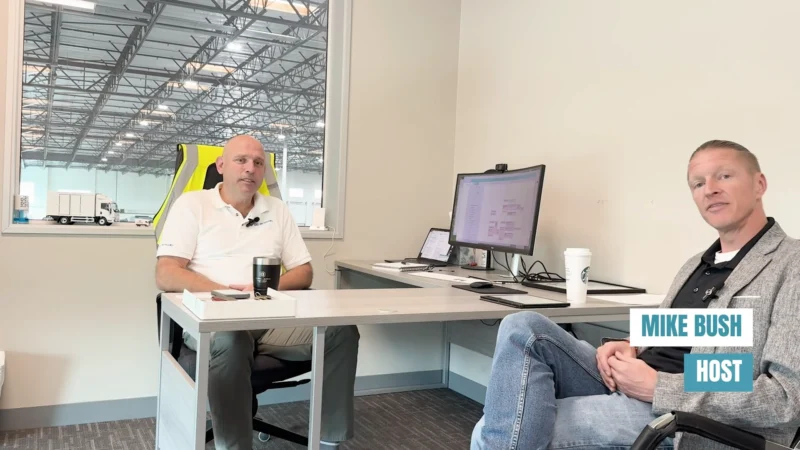
Welcome to Hammer Down. In this episode, host Mike Bush sits down with Lawren Markle, the Director of Media Relations at the Clean Transportation Solutions Team at TRC, which hosts the ACT Expo. The duo dives into what’s ahead for ACT Expo 2025, the real-world successes and challenges of fleet electrification, and how businesses can cut through the noise to build an effective clean transportation strategy.
Key takeaways from the conversation…
- Fleet Case Studies & Technology Deep Dives: ACT Expo 2025, to be held from April 28-30, will feature peer-to-peer learning opportunities, showcasing real-world implementations of electric, hydrogen, and natural gas-powered fleets.
- Economic & Operational Realities: While sustainability is a key driver, fleets are now focused on the financial and operational feasibility of clean technology investments.
- Infrastructure & Fueling Challenges: From grid capacity issues to hydrogen fueling logistics, the discussion explores the hurdles fleets must overcome to scale clean transportation solutions.
Lawren Markle is a media relations and communications expert specializing in clean transportation, renewable energy, and emerging vehicle technologies. As the Director of Media Relations at TRC’s Clean Transportation Solutions Team, he connects reporters with key stories on zero-emission commercial fleets, industry regulations, and sustainability trends. With previous leadership roles at LAEDC, Caltech, and Tech Image, he has a strong track record in strategic PR, content development, and thought leadership for the high-tech and environmental sectors.
Article written by MarketScale.