Transportation Management Systems Don’t Compete With Carriers, Brokers, or Shippers — They Align Them
Transportation management systems are undergoing a quiet but consequential shift. Once viewed primarily as tools for tracking loads and storing paperwork, modern TMS platforms are increasingly expected to function as the operational backbone of logistics organizations. As freight volumes continue to fluctuate, margins remain tight, and supply chains rely on a growing mix of carriers, brokers, and shippers, fragmented systems and manual workflows have become harder to justify. Reflecting this demand for consolidation and control, a 2026 industry report projects the global TMS market will grow from $15.24 billion in 2025 to $41.08 billion by 2031, driven by automation, real-time visibility, and integrated financial management.
As these platforms expand in scope, can a single transportation management system truly support carriers, brokers, and shippers together without creating competition or conflicts of interest?
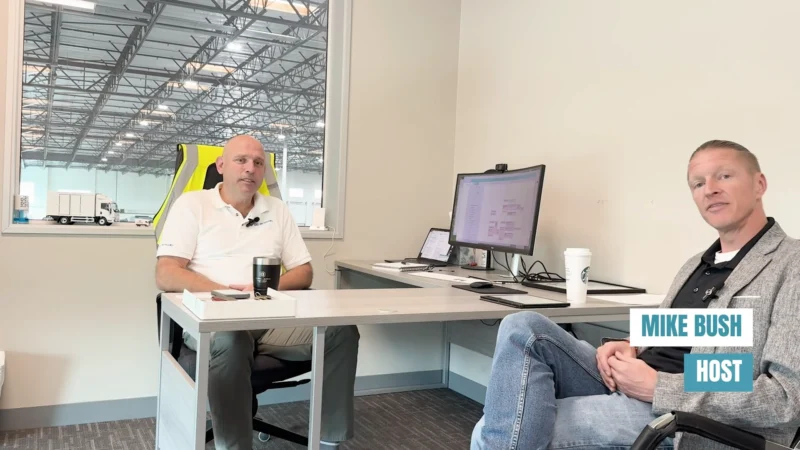
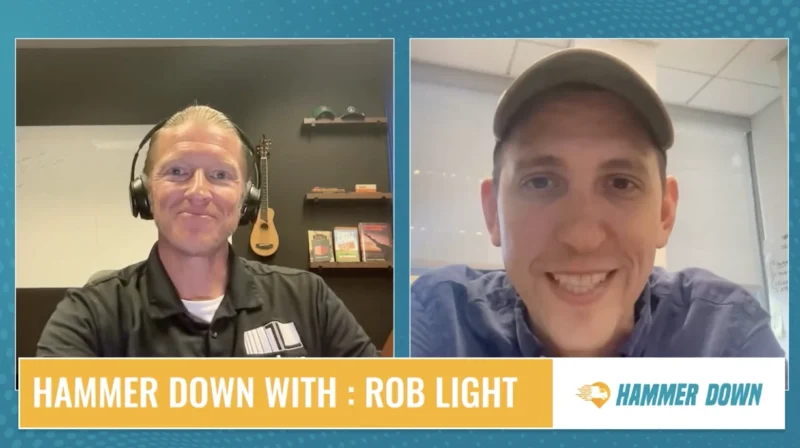
Welcome to Hammer Down. In the latest episode, host Mike Bush speaks with Tia Parks, Senior Sales Accounting Executive at PCS Software. Together, they discuss how all-in-one TMS platforms are evolving to serve the full supply chain ecosystem. Their conversation explores why accounting, compliance, and operational alerts are no longer “back-office” features, how COVID-era disruptions reshaped expectations around visibility and speed, and why education and alignment across logistics roles remain critical to long-term efficiency.
Key themes from the conversation:
-
From Tracking to Operational Control – How transportation management systems are moving beyond basic track-and-trace to unify dispatch, documentation, accounting, and visibility across carriers, brokers, and shippers.
-
Accounting and Compliance at the Core – Why integrated accounting, driver compliance, safety, and automated alerts now function as the operational nervous system of modern logistics platforms — not optional add-ons.
-
Alignment, Education, and Industry Clarity – How recent disruptions exposed gaps in understanding between supply chain roles, reinforcing the need for better education, mentorship, and shared visibility across the industry.
Tia Parks is a Senior Sales Accounting Executive at PCS Software with more than eight years of experience spanning logistics operations, SaaS, and transportation technology. She has worked across sales, customer support, and operational roles, including prior experience in ocean freight, giving her a well-rounded view of carrier, broker, and shipper workflows. Parks is known for helping logistics organizations improve efficiency through integrated TMS solutions while advocating for mentorship, education, and clearer alignment across the supply chain.