AAOS: “Ortho Surgeons are Fully Competent to Interpret Imaging Studies”

Imaging technology has increased the convenience and quality of the diagnosis and treatment of musculoskeletal diseases and injuries. However, some recent studies question the excessive or inappropriate utilization of this technology, leading insurers to restrict reimbursement for specific imaging techniques, including computed tomography.

Click here to access the full position statement.

Radiologists  interpret plain radiographs and other images in descriptive terms. In contrast, orthopaedic surgeons add functional, anatomical, and clinical assessments, resulting in patient-specific information not likely provided by the radiologist. This impacts issues including course of treatment and responsibility for patient care, according to the position paper.

Timeliness is crucial in imaging.

  • When patients have to travel to another imaging facility, it can place undue burden on them and their family members.
  • More than one visit may be required to make appropriate treatment decisions, especially if the outside facility is unfamiliar with the patient’s condition.
  • Often the ideal time for imaging is just after immobilization is removed, but before subsequent casting or splinting. To have the patient leave the office under these circumstances is “dangerous and ill-advised,” according to AAOS.
  • Additional and sometimes special views may be needed for adequate patient care at the time of the office visit, making the use of outside facilities untenable.

Follow us on social media for the latest updates in B2B!

Image

Latest

career
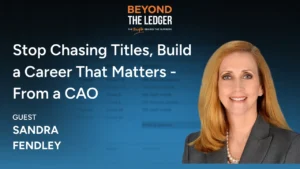
Stop Chasing Titles, Build a Career That Matters – From a CAO
March 11, 2026

Career advice in finance and accounting often centers around promotions, titles, and compensation. But in an era where professionals frequently change jobs every few years—the average American worker now stays in a role less than four years—industries are facing growing talent shortages and reevaluating what long-term career success looks like. The question many professionals are…

Read More
Career success
A CEO’s Blueprint for Career Success: Leading with Love to Drive Performance and Culture
March 10, 2026

Leadership right now feels heavier than it did just a few years ago. Teams are stretched, expectations are high, and many employees are quietly disengaged. In fact, Gallup’s 2025 U.S. data shows that only about 31% of employees are actively engaged at work, leaving the majority feeling disconnected or indifferent. For CEOs and senior…

Read More
employer-sponsored apprenticeships
The Degree That Pays You Back: How Employer-Sponsored Apprenticeships Are Rewriting Higher Ed
March 9, 2026

Higher education is under pressure. Over the past few years, public confidence in the value of a four-year degree has declined significantly, with fewer Americans expressing a strong belief that traditional higher education delivers a worthwhile return on investment. At the same time, employers consistently report that graduates lack job-ready skills—particularly the “durable skills”…

Read More
Denial Data
Turning Denial Data Into Action: How Healthcare Organizations Can Fight Back Against Payer Denials
March 5, 2026

Healthcare providers across the U.S. are facing a growing wave of claim denials that is putting pressure on already strained hospital finances. Industry research from the American Hospital Association shows that nearly 15% of medical claims submitted to private payers are initially denied, forcing hospitals and health systems to spend about $19.7 billion annually attempting…

Read More