Career Development for Global Pediatric Nurses
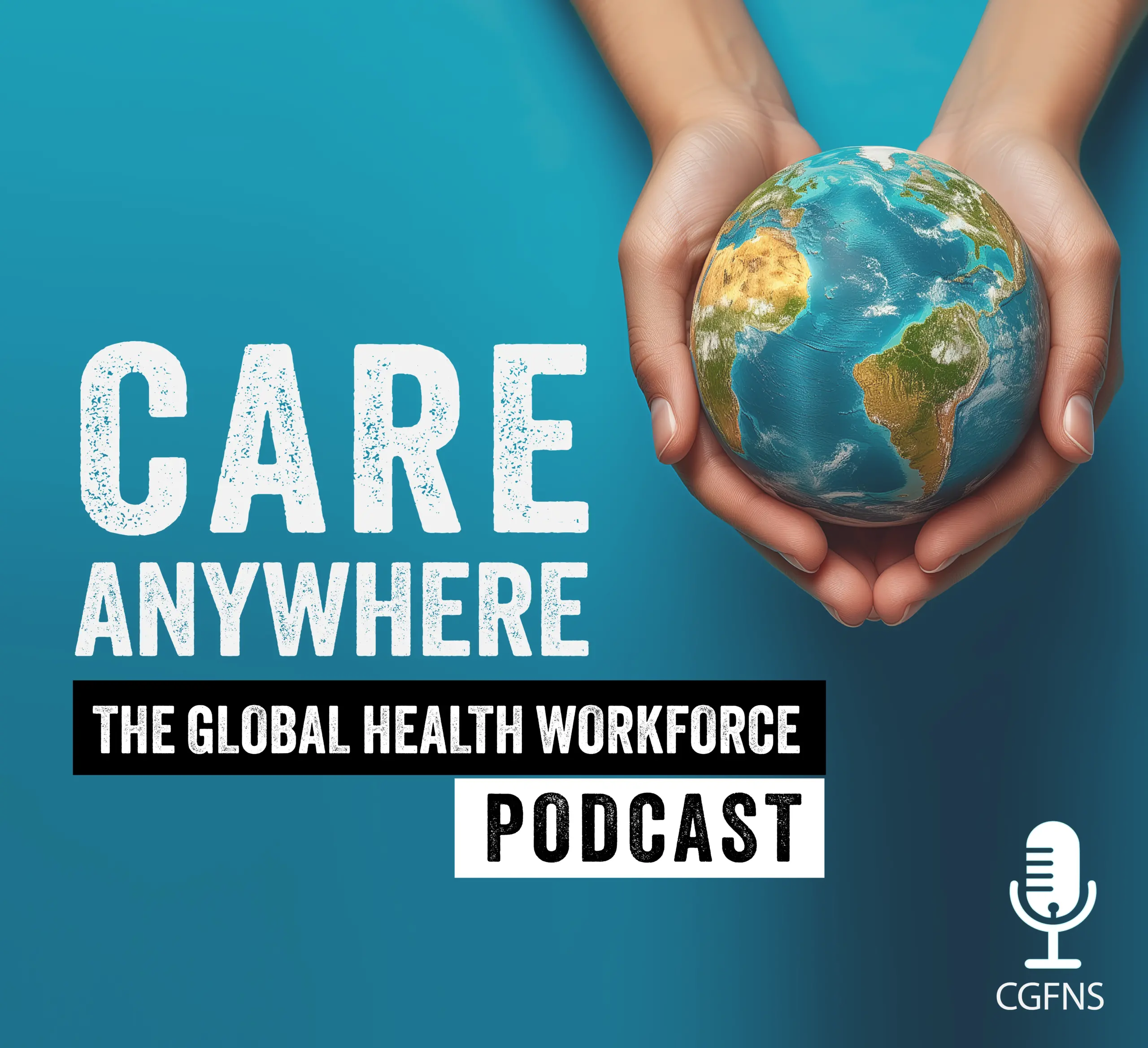
The Care Anywhere podcast is spotlighting a new global partnership designed to strengthen pediatric nursing education and recognition worldwide. In this episode, host Lea Sims sits down with leaders from TruMerit and the National Association of Pediatric Nurse Practitioners (NAPNAP) to unpack a new pediatric nursing micro-credential pathway launching in 2026, and why it matters for child health, workforce development, and nurse career mobility across borders.
Lea is joined by Mary Dirks, DNP, ELAN Fellow, Director of Global Initiatives at NAPNAP, and Julia To Dutka, EdD, Chief of TruMerit’s Global Health Workforce Development Institute. Together, they break down what a micro-credential is, how it blends structured learning with validated assessment, and why this model is especially important in pediatric nursing, where specialty education and standardized pathways are not widely available in many parts of the world.
Mary and Julia explain how the program begins withPediatric Nursing Fundamentals, built around core topics like developmental and behavioral health, family-centered care, health promotion and prevention, digital health, transitional care, and safeguarding children through areas like maltreatment and neglect. They also share how a global network of subject matter experts across dozens of countries is helping shape the content, and how modular assessments will ensure nurses not only complete training, but demonstrate mastery.
The conversation also explores the bigger picture: creating benchmarks that can support health systems, educators, and ministries of health, improving confidence and competence for nurses caring for children, and expanding access through affordability strategies like sliding pricing and potential scholarship or grant support.
Tune in to the full episode on TruMerit.org/podcast or find Care Anywhere on Apple Podcasts, Spotify, or your favorite podcast platform.