Empowering Choice and Opportunity
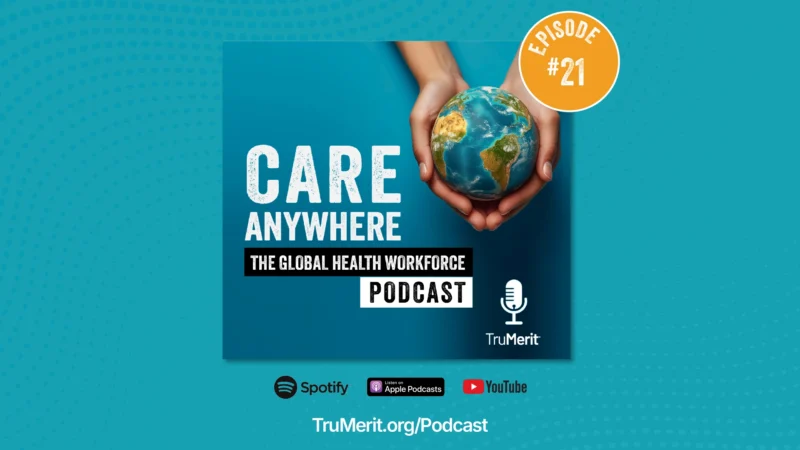
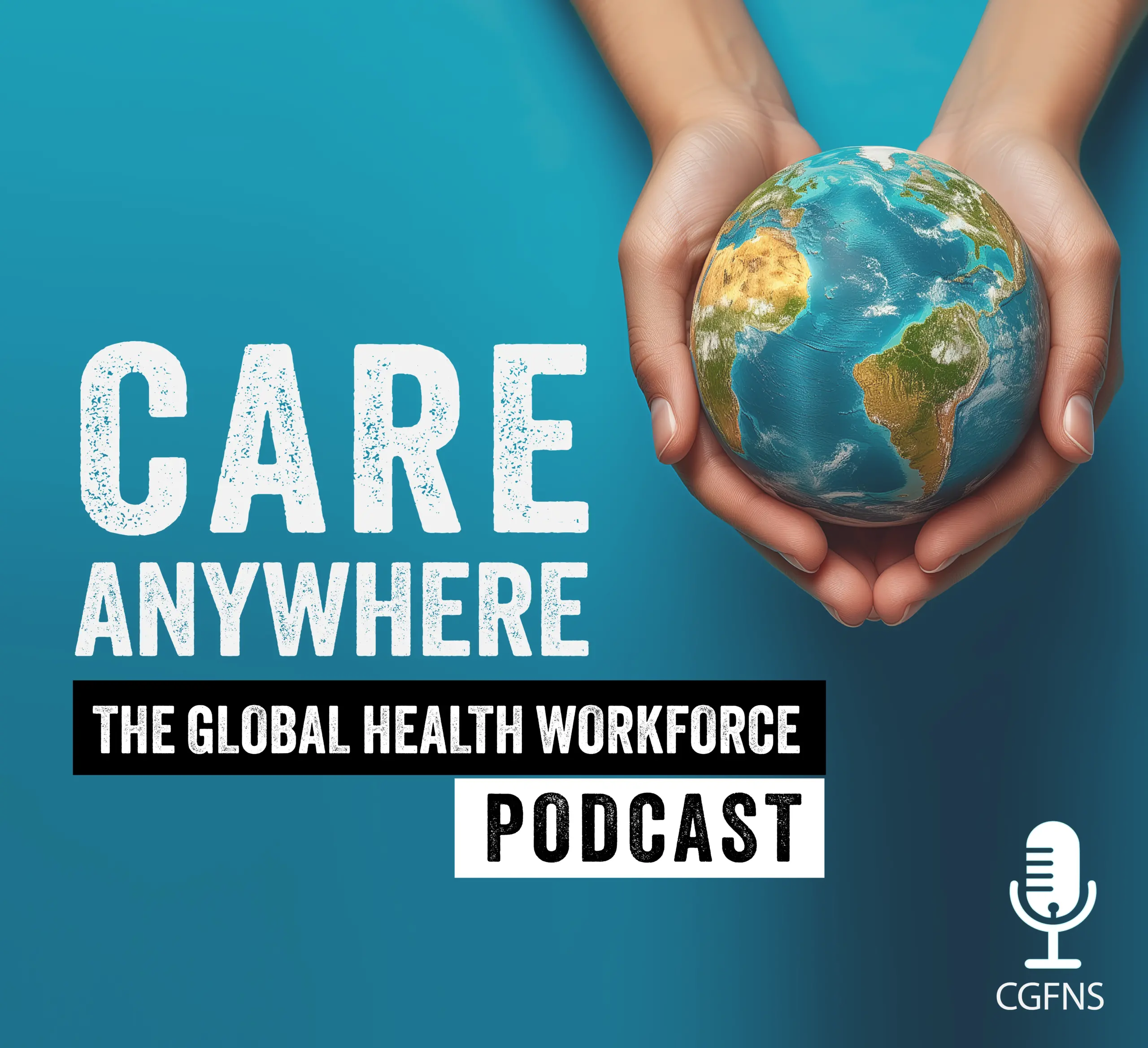
In this episode of Care Anywhere: The Global Health Workforce Podcast, host Lea Sims welcomes Pandora Hardtman, an internationally recognized nurse midwife and global health leader. Pandora reflects on her personal journey from the Caribbean to serving as Chief Nursing and Midwifery Officer at Jhpiego and now as a midwifery consultant with the United Nations Population Fund.
With a passion for nurse empowerment and ethical mobility, Pandora unpacks the real story behind global nurse migration—beyond brain drain and toward investment, reciprocity, and systemic change. She shares her lived experience navigating frontline care, creating opportunity, professional integration, and policy reform across borders, advocating for nurses’ right to pursue global careers while remaining grounded in community impact.
The episode explores how competency-based education, global standards, and culturally relevant training environments are essential to workforce development. Pandora and Lea also examine the unintended challenges of over-specialization, the tension between advocacy and adversarial dynamics in care delivery, and the simple technologies that often make the biggest difference in low-resource settings.
With a unique blend of personal narrative and global insight, this episode challenges assumptions about who gets the opportunity to lead and how nurses can shape the future of care—locally and globally.
Tune in to the full episode at trumerit.org/podcast or on your favorite podcast platform.