Meanwhile Back in The Lab…The Modern Digital Laboratory, That is!
As the healthcare industry navigates through its ongoing technological revolution, the focus sharpens on the role of the modern digital laboratory. This evolution from traditional methodologies to digital platforms in pathology labs marks a pivotal advancement, especially in cancer diagnosis and treatment. Highlighted by the FDA’s 2017 approval of the first diagnostic scanner for digital pathology, this shift away from the age-old reliance on physical microscopes and glass slides ignites a vital discussion: How will the modern digital laboratory transform our methods for diagnosing and treating diseases with a particular emphasis on cancer?
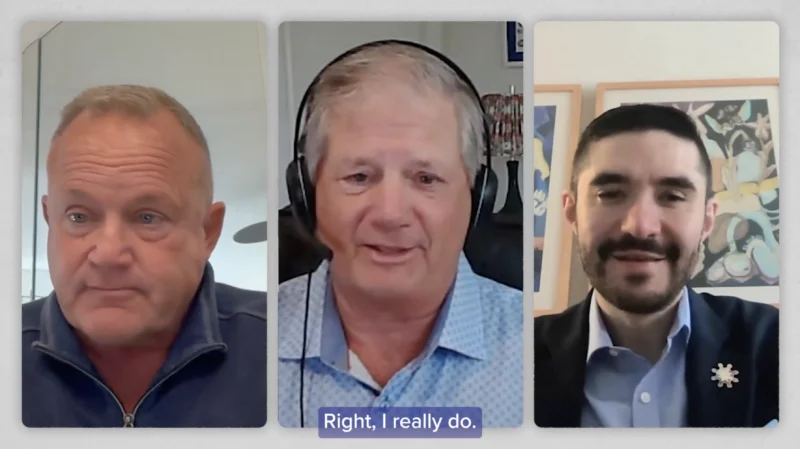
Healthcare Rethink, a FinThrive Podcast hosted by Brian Urban, explores this question with guest David West, CEO of Proscia. This episode explores the transformative impact of digital pathology on healthcare, highlighting Proscia’s role in advancing cancer diagnosis and treatment through innovative technology.
Main points of conversation:
- The transition from traditional to digital pathology and its implications for cancer research and diagnosis
- The role of AI in enhancing the accuracy and efficiency of pathology, including early detection and treatment planning
- Regulatory milestones and the future of digital pathology in clinical and research settings
David West, the CEO of Proscia, is a software engineer by training with a deep passion for leveraging technology to improve cancer diagnosis and treatment. Under his leadership, Proscia has emerged as a pioneer in digital pathology, driving innovation in the field. West’s connection to cancer, through his mother’s battle with the disease, fuels his commitment to transforming pathology with data and AI.