NSCLC SmartData Webinar March 30
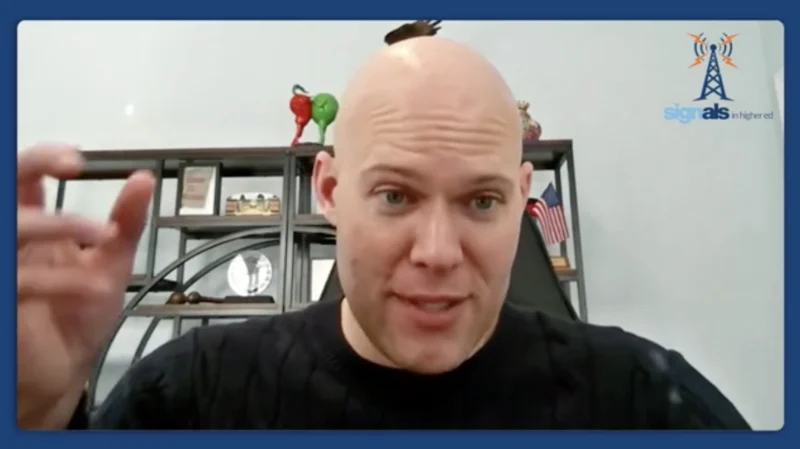
Dr. Aaron Galaznik, the Chief Scientific Officer of Carevive, hosted an insightful webinar focused on smart data insights in lung cancer. With a wealth of experience in healthcare management and the pharmaceutical industry, Dr. Galaznik provided valuable insights into the real-world data generated by Carevive’s digital oncology platform. The webinar primarily focused on lung cancer, aiming to showcase the power of their smart data registry.
Interactive Session:
During the webinar, Dr. Galaznik emphasized the importance of audience participation and engagement. Attendees were encouraged to utilize the Q&A button and chat function for submitting questions and addressing any technical issues they encountered.
Key Takeaways:
The webinar centered around the generation of real data from Carevive’s digital oncology platform, specifically in the context of lung cancer. Dr. Galaznik highlighted the significance of this data for cancer practices and provided a glimpse into the type of insights it offers.
Q&A and Technical Support:
The session concluded with a Q&A session, allowing participants to engage directly with Dr. Galaznik and gain further clarity on the topics discussed. Attendees were encouraged to use the dedicated Q&A button and chat function for seamless communication.
Conclusion:
The Carevive webinar on smart data insights in lung cancer proved to be a valuable resource for healthcare professionals and researchers. Dr. Galaznik’s expertise and the interactive nature of the session facilitated a comprehensive understanding of the power of Carevive’s digital oncology platform. By leveraging real-world data, Carevive aims to drive advancements in lung cancer research and improve patient outcomes.