Understanding Generation 2.0 Health Equity
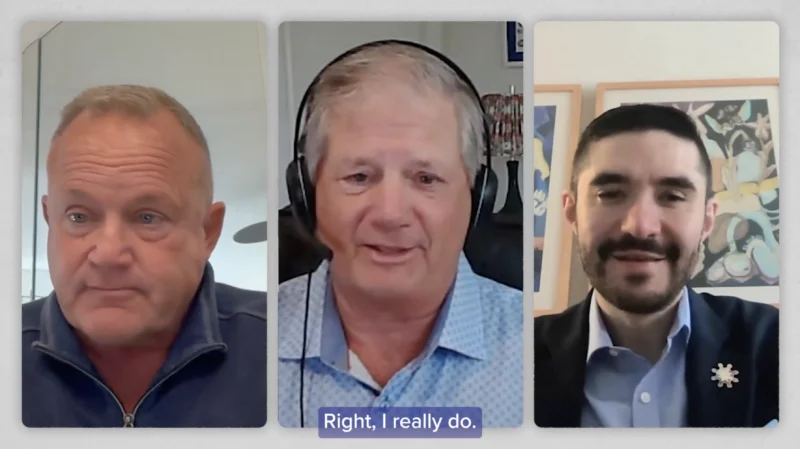
In the latest Healthcare Rethink podcast, hosted by Brian Urban, industry leaders Dr. Romilla Batra, Chief Medical Officer at Scan Health Plan, and Sharon Jhawar, Chief Pharmacy Officer at Scan Health Plan, joined Urban to discuss their roles and the initiatives they are implementing to address health equity in their organization and the industry at large.
The trio discussed:
- Scan Health Plan’s prioritization of health equity and view of it as a strategic focus.
- The organization’s aims to address disparities and inequities in healthcare outcomes among its diverse member population.
- It’s collection of race and language data for 90% of its population, which helps inform their strategies for improving health equity.
Dr. Batra shared her journey from being a primary care physician in academic medical centers to joining Scan Health Plan as a physician leader. She was drawn to the mission-driven nature of Scan Health Plan as a not-for-profit organization that serves older adults. With a panel size of 300,000 older adults at Scan Health Plan, Dr. Batra has had the opportunity to make a significant impact on the lives of older adults.
Sharon Jhawar also shared her journey from being a geriatric pharmacist to becoming the first full-time pharmacist at Scan Health Plan 20 years ago. She highlighted the challenges faced by seniors in understanding their medications and ensuring affordability.
As part of their efforts to address these challenges, Scan Health Plan has proactively paired advocates and pharmacists with members who face medication-related issues.
Driven by their commitment to equitable care for all populations they serve, they have made health equity a strategic focus rather than just an initiative or project. They aim to ensure that diverse populations have access to high-quality care with positive outcomes. One key aspect of their approach is data collection on race and language preferences among their members. With data on 90% of their population already available, they understand its power in identifying disparities and taking action accordingly.