From Denial to Access: Rethinking Oncology Care Through AI, Clinical Trials, and Patient-Centered Innovation
The rapid expansion of precision medicine, biologics, and targeted cancer therapies is transforming oncology—but it’s also overwhelming a system not built to keep pace. In the U.S., cancer drugs now account for some of the highest-cost treatments in healthcare, and with that has come a surge in prior authorization requirements and denials. Studies suggest physicians spend nearly two business days per week on administrative tasks like authorizations, contributing significantly to burnout and delayed care.
So how can clinicians ensure patients receive timely, life-saving treatments in a system increasingly shaped by cost controls and automation? And more importantly—can AI become part of the solution rather than just a tool for denials?
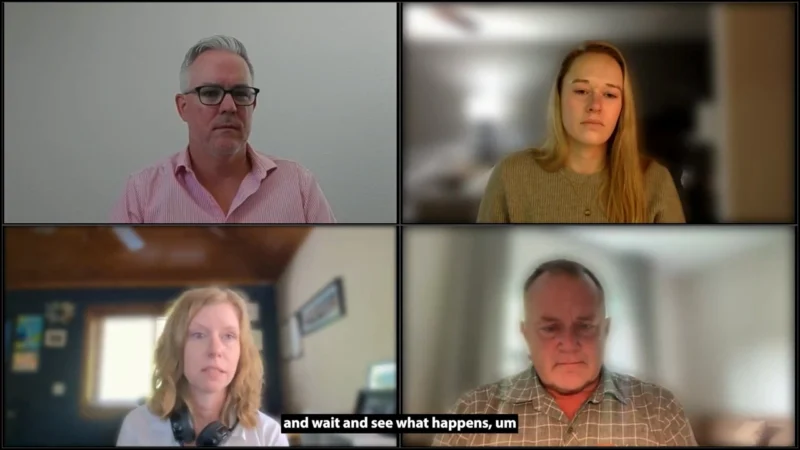
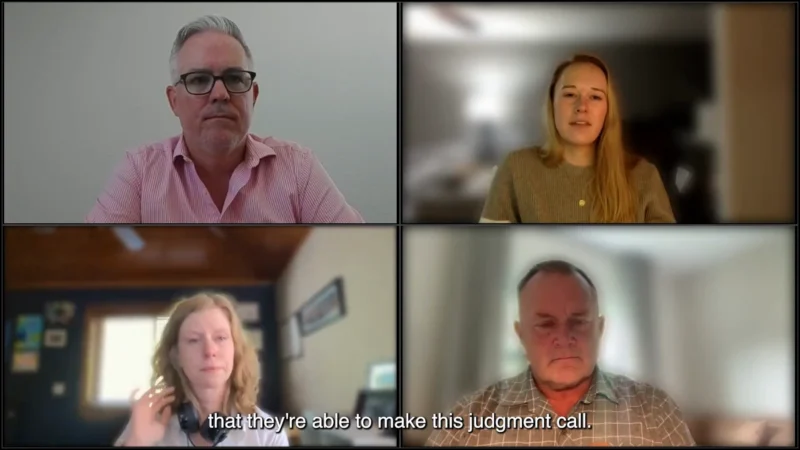
On this episode of PayerWatch, host Brian McGraw is joined by Dr. Arturo Loaiza-Bonilla, Co-Founder and Chief Medical AI Officer of Massive Bio, and Dr. Kendall Smith, Chief Medical Officer and Chief Physician Advisor at PayerWatch, for a conversation about oncology denials, prior authorization burden, and the emerging role of AI in appeals and access. Together, they examine how payer decision-making affects cancer patients, why clinical trialsPay are often overlooked in denial workflows, and how human oversight must remain central as AI becomes more common on both sides of the claims equation.
Key Takeaways from the episode:
- Oncology denials are uniquely high stakes. Expensive biologics, chemo regimens, and precision therapies are often subject to heavier scrutiny, creating delays that can worsen outcomes and increase financial toxicity for patients.
- AI can help, but only with human oversight. The guests discuss how AI can support appeals, clinical trial matching, and documentation, while warning that hallucinated citations and unchecked outputs can undermine care decisions.
- Clinical trials should be considered earlier, not later. Instead of treating trials as a last resort or administrative complication, the episode argues they should be more proactively presented as care options that may reduce costs and expand access.
Dr. Arturo Loaiza-Bonilla is a practicing medical oncologist and hematologist, as well as the Co-Founder and Chief Medical AI Officer of Massive Bio. He has spent years working at the intersection of oncology, patient access, and artificial intelligence, helping develop AI-driven tools that connect patients to clinical trials and treatment options. In the episode, he also references his leadership role in a large hematology-oncology network and his long-standing interest in applying data science and computational tools to real-world cancer care.
Dr. Kendall Smith serves as Chief Medical Officer and Chief Physician Advisor at PayerWatch, where he brings deep expertise in chemotherapy and biologic denials, appeals strategy, and payer-provider disputes. His contributions to the episode focus on the practical realities of appeal workflows, the risks and opportunities of AI-assisted case preparation, and the importance of maintaining a human-in-the-loop approach when patient lives are on the line.