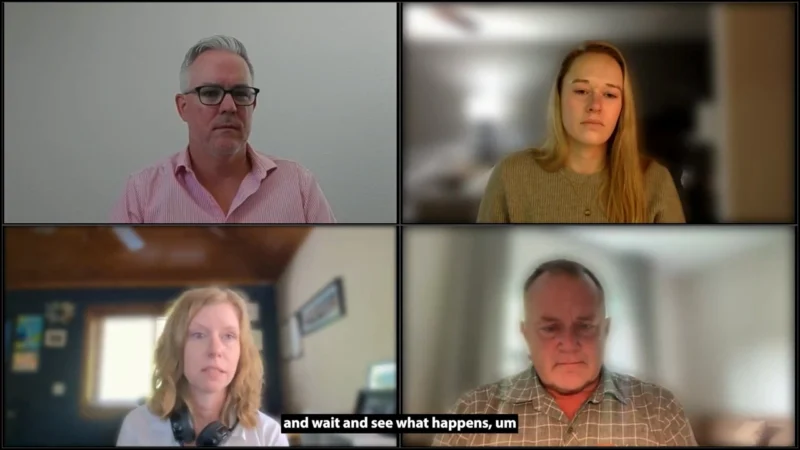
From Peer-to-Peers to Paper Wars: Inside the Daily Grind of Fighting Insurance Denials


Insurance denials have quietly become one of the most powerful forces shaping American healthcare, not through better outcomes but through a steady tightening of what insurers are willing to cover and when they’ll say so. The real scandal isn’t just that claims get rejected—it’s that the system rewards obstruction, pressuring hospitals to spend scarce clinical time on paperwork battles while betting that many providers won’t have the resources to push back. Patients, meanwhile, walk into emergencies believing they bought certainty, only to discover in the worst moments that their coverage is full of trapdoors for specific drugs, specialists, or inpatient stays. If we want a healthcare system that’s honest with the public and sustainable for communities, denials need to be treated less like routine “utilization management” and more like the policy choice they are: shifting risk from insurers onto the sick, and costs onto the institutions trying to keep the doors open.


Recent Episodes

Medicare Advantage was sold as a smarter, more efficient way to care for seniors, but too often the efficiency seems to land on the wrong side of the patient–provider relationship. When plans deny or delay needed services through opaque rules and weak oversight, beneficiaries feel it first—in missed therapies, postponed procedures, and a…

Behind the sterile labels of “inpatient” versus “observation” care is a messy reality: clinicians and insurers often enter peer-to-peer reviews without a shared rulebook, turning what should be a clinical dialogue into a box-checking exercise. The speaker’s frustration points to a broader problem in U.S. healthcare utilization management—decisions about coverage can feel pre-decided,…

A physician advisor recently described a case that should unsettle anyone who cares about fair, clinically grounded coverage decisions: a Medicaid patient arrived comatose from an overdose, was emergently intubated, developed aspiration pneumonia, and stayed through three midnights before leaving against medical advice. By any bedside standard, this is acute, unstable care—exactly what…