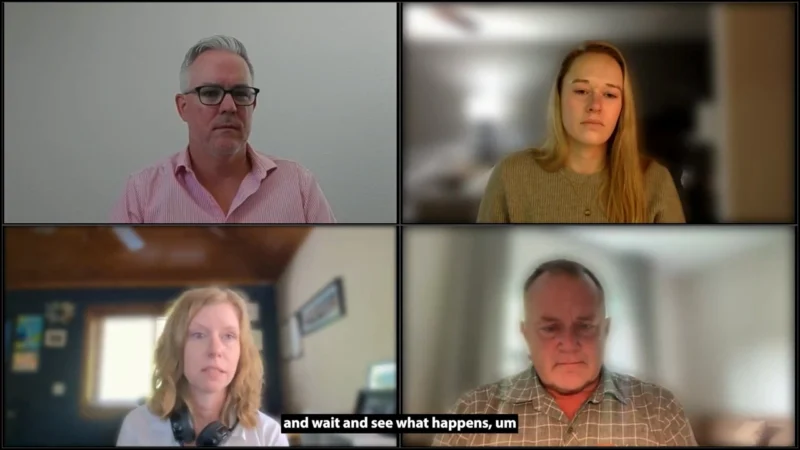
Rebecca Interview: When Peer-to-Peer Reviews Stop Being About the Patient


Behind the sterile labels of “inpatient” versus “observation” care is a messy reality: clinicians and insurers often enter peer-to-peer reviews without a shared rulebook, turning what should be a clinical dialogue into a box-checking exercise. The speaker’s frustration points to a broader problem in U.S. healthcare utilization management—decisions about coverage can feel pre-decided, even though both sides ostensibly serve the same person. When medical directors and hospital teams don’t collaborate around the specifics of a patient’s condition, the system rewards procedural compliance over medically nuanced judgment. A truly respectful, case-focused conversation would recognize that the payer’s “customer” and the hospital’s “patient” are one and the same, and that trust and transparency are prerequisites to delivering the care people pay for and deserve.


Recent Episodes

Health insurers love to advertise themselves as guardians of care, but the real story often begins when a patient’s life no longer fits neatly into a spreadsheet. In oncology especially, “coverage” isn’t a bureaucratic checkbox—it’s the fragile bridge between a treatment that finally works and a relapse that can undo years of grit…

In “Fighting for Coverage,” a patient describes a double war: the physical fight to stay alive and the bureaucratic fight to prove to an insurer that her life is worth the cost. Her account spotlights a core tension in the U.S. system—coverage decisions are increasingly shaped by prior authorizations and desk-based reviewers who…

The sustainability of the healthcare system won’t be secured by another round of cost-cutting or clever benefit design alone, but by a hard cultural pivot toward alignment: payers, providers, employers, and patient advocates pulling on the same rope instead of grading each other on different exams. Right now we’ve built a maze that…