
Plan. Build. Equip.
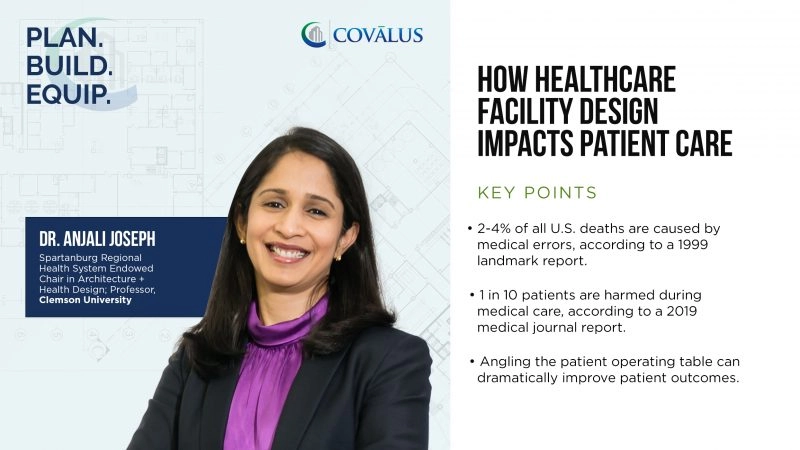
Twenty years ago, a landmark report titled, “To Err Is Human: Building a Safer Health System” shocked healthcare providers and administration when it revealed that 2-4% of all deaths in the U.S. are caused by medical errors. While the report shed light on patient care inefficiencies and lack of provider communication, it got researchers…
Latest

From Measuring Memory to Measuring Thinking: How Simulation-Based Learning Could Reshape Higher Education
As artificial intelligence continues reshaping the workforce, higher education faces growing pressure to demonstrate its value beyond content mastery. According to the World Economic Forum’s Future of Jobs Report, employers expect 39% of workers’ core skills to change or become outdated by 2030, while 69% identify analytical thinking as the most essential workforce skill. As…
The Future of the Trades Depends on Mentorship and Industry Veterans Passing Down the Craft
Across the United States, industries are grappling with a skilled labor shortage. According to industry research, millions of trade jobs are expected to go unfilled in the coming years as experienced workers retire faster than new ones enter the field. At the same time, trade school enrollment has steadily increased. The conversation around skilled trades—once…

From Power Shopping to Place-Making: Tanger’s Stephen Yalof on the New Outlet Experience
For decades, the outlet trip had a familiar rhythm: get in the car, drive beyond the city, hunt for deals and come home with bags full of discounted finds. But that old model is giving way to something more layered. As retailers reinvest in store experiences to give consumers more reasons to visit, outlet…
How Relationships Build a Career, Deepen Service and Define Purpose
In a workplace still shaped by hybrid schedules, remote communication and shifting expectations around professional growth, relationships have become more than a soft skill — they are a career advantage. Gallup’s latest workplace reporting shows that global employee engagement has fallen to 20%, reflecting a broader challenge for organizations trying to keep people connected,…