Continuous Improvement in Education: If You Want Different Outcomes, Change the System
School systems across the country are under mounting pressure to improve student outcomes while navigating shifting standards, staffing shortages, and rising expectations around accountability. Yet many reform efforts fall short because they are fragmented and short-term. According to Learning Forward’s Standards for Professional Learning, sustained and job-embedded professional learning is linked to improved educator practice and student outcomes. The stakes are high because surface-level change rarely leads to lasting results. Continuous improvement in education requires disciplined, collaborative work that produces measurable impact over time.
How can district and school leaders ensure that their improvement efforts lead to measurable gains rather than temporary reform?
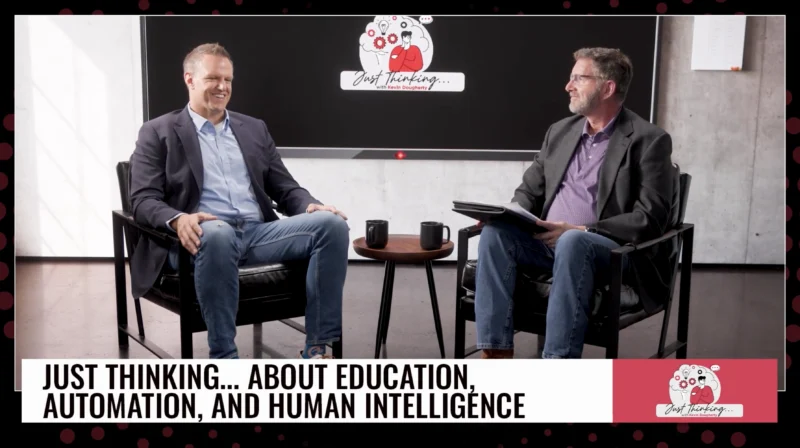
On this episode of Just Thinking, host Kevin Dougherty sits down with Dr. Michelle Bowman, the Senior Vice President of Networks & Continuous Improvement at Learning Forward. They explore how continuous improvement in education strengthens professional learning and drives sustainable results. The conversation unpacks how leaders can move beyond compliance-driven professional development and build cultures rooted in reflection, collaboration, trust, and evidence-based decision-making.
In this episode, they discuss:
-
Disciplined improvement cycles – How continuous improvement in education provides a structured process for defining problems, testing change ideas, and measuring real impact.
-
Networked collaboration – Why learning communities accelerate growth by allowing educators to build on shared insights rather than starting from scratch.
-
Standards-aligned systems change – How Learning Forward’s 2025 Standards for Professional Learning create the conditions necessary for sustainable and measurable improvement.