Can Drone Delivery Be Minimally Invasive?

Both pilots and companies are navigating a thin line between security and innovation. Host Grant Guillot talks with leaders, influencers, and experts across the drone industry to guide us through the complex web of technology and policy in the United States.
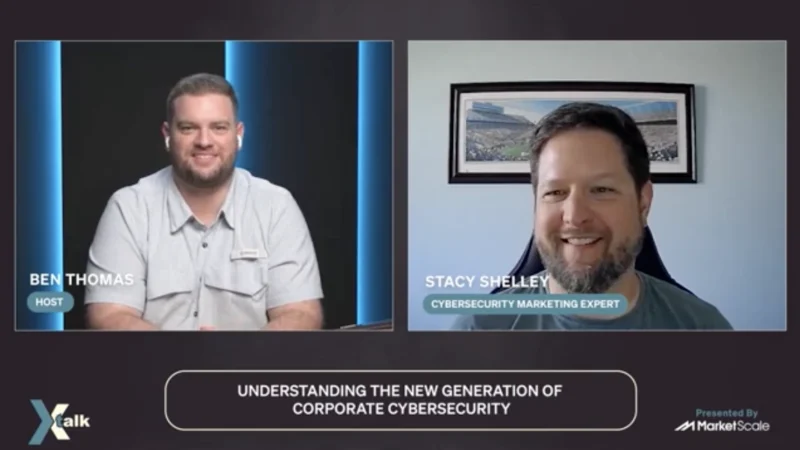
The challenges around drone delivery often go into several buckets—line of sight limitations and safety concerns. One company, A2Z Drone Delivery, is revolutionizing this in a minimally invasive way. Drones in America host Grant Guillot spoke with its founder Aaron Zhang about how their hardware and software work.
“We’re the developer of the hardware and software that we sell to customers that operate drone delivery. It has the capability to deliver items from up to 45 meters above the ground for a package up to 2 kilograms,” Zhang explained.
What’s unique about the company’s solution is the use of freefall and tethers. The idea came to Zhang while fishing, witnessing the bait and tackle drop through the water. “The drone was like a boat, and the bait and tackle like the payload. Why not just let it fall on its own and stop it before it hits the ground?”
“For the privacy aspect, how do you keep a drone as far away from people as possible? Delivery from high up through freefall solves this.” -Aaron Zhang
The freefall calculation is based on the weight of the package. There’s also adjustable torque, so heavier packages brake for longer. It stops before hitting the ground, then there’s an automatic unlatching of the cargo, and the reel comes back up to the drone.
This approach is making the company stand out. They now have a roster of clients in diverse industries, not just product delivery. One application that Zhang is excited about is shore-to-ship delivery. “It’s hard to land on a ship, but our solution opens up the capabilities here.”
The tether is the critical part of the drone delivery system, and its design has safety in mind. “The reel will slow down if it’s windy or unstable. If the tether catches on something, it can abandon the tether altogether,” Zhang noted.
See Previous Episodes of Drones In America Here
Follow us on social media for the latest updates in B2B!
Twitter – @MarketScale
Facebook – facebook.com/marketscale
LinkedIn – linkedin.com/company/marketscale