This Nanocoating Might Be the Waterproofing Solution You’ve Been Seeking


We’ve all had that panic moment when an expensive electronic device such as our phone, AirPods, or wireless speaker goes tumbling into the water, and we realize it’s probably ruined forever. Salt Lake City-based HZO hopes to cure that panic, not just for consumers but commercial technology users, with its solution for water-vulnerable devices: a thin nanotechnology coating that protects electronics from moisture.

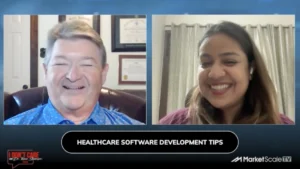
In this new episode of the Software and Technology Podcast, host Brandon Morse caught up with HZO’s Chief Commercial Officer Stephen Gold to discuss this revolutionary turn in device protection.

There’s no doubt that personal electronic devices, ranging from smartphones to hearing aids even, have become ubiquitous in our lives.

“We’re at a point in time where it’s critical that we can depend on these devices independent of whatever hazard or accident might happen,” Gold said.

But even devices that are supposed to be water-resistant are still vulnerable because protection means different things to different manufacturers.

“We believe protection starts with the inside, from the electronic itself outward,” Gold said.

HZO’s ultra-thin protective nanocoatings are applied by manufacturers and device makers on top of devices to protect it from dust, dirt, water, or other liquid.

In this episode, Gold also discussed the industries and sectors that could benefit from waterproofing technology and what to expect from this technology to come. “I think it’s going to become second nature to us that these electronics will be unequivocally protected in a way that we expect it to operate in any environment.”

For the latest news, videos, and podcasts in the Software & Electronics Industry, be sure to subscribe to our industry publication.

Follow us on social media for the latest updates in B2B!
Twitter – @TechMKSL
Facebook – facebook.com/marketscale
LinkedIn – linkedin.com/company/marketscale

Follow us on social media for the latest updates in B2B!

Image

Latest

data center workforce
The Next Data Center Bottleneck Isn’t Power or Cooling — It’s People: The Data Center Workforce
February 8, 2026

With the rapid rise of AI workloads, data centers are being built with higher power density, stricter reliability expectations, and cooling technologies that are evolving faster than most teams can adapt. As a result, these facilities aren’t just getting bigger—they’re becoming harder to operate, harder to staff, and far less forgiving when something goes…

Read More
Telecom
Precision With Purpose: The Geospatial Advantage in Telecom Network Planning
February 7, 2026

Telecom networks are no longer planned or evaluated in isolation. As 5G, private LTE, fixed wireless, and mission-critical communications expand, operators are expected to deliver stronger coverage, higher reliability, and demonstrable performance—often while managing complex technologies and constrained resources. Regulators, customers, and public agencies are increasingly focused on outcomes that can be measured and…

Read More
future of public safety
Clarity Under Pressure: Technology, Trust, and the Future of Public Safety
February 7, 2026

When something goes wrong in a community—a major storm, a large-scale accident, a violent incident—there’s often a narrow window where clarity matters most. Leaders must make fast decisions, responders need to trust the information in front of them, and the systems supporting those choices have to work as intended. Public safety agencies now rely…

Read More
weather Intelligence
Clarity in the Storm: Weather Intelligence, GIS, and the Future of Operational Awareness
February 6, 2026

For many organizations today, the weather has shifted from an occasional disruption to a constant planning factor. Scientific assessments show that extreme weather events—including heatwaves, heavy rainfall, and wildfires—are occurring more frequently and with greater intensity, placing growing strain on infrastructure, utilities, and public services. As weather-related disruptions become more costly and harder to…

Read More