Daimler Truck Shrugs Off Supply-Chain Issues With Rising Sales

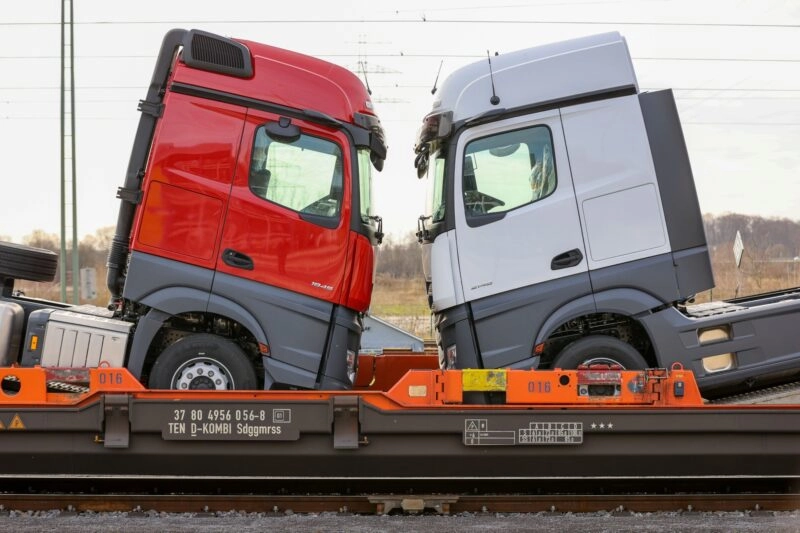
(Bloomberg) — Daimler Truck Holding AG said demand for commercial vehicles will continue to outweigh supply in the second half of the year after the German manufacturer reported better-than-expected quarterly earnings.
Daimler Truck said Thursday second-quarter operating income came in at 1.01 billlion euros ($1.04 billion), above analyst forecasts for a 768 million-euro result. The company generated 12.1 billion euros in sales, also beating analyst expectations.
“Given the ongoing challenges with the supply chain, raw materials and energy prices we can be satisfied with our Q2 results,” Chief Financial Officer Jochen Goetz said in a statement. “However, the current year will continue to be demanding especially on the cost side.”
Daimler Truck, which split from luxury automaker Mercedes-Benz AG last year, has struggled to turn unrivaled industrial scale into profitability matching the likes of Volvo Group and Paccar Inc. The company is striving for a margin in excess of 10% by 2025.
Daimler Truck said strong demand for commercial vehicles and order backlogs would persist in the second half of the year, supporting its guidance despite rising cost pressures. Like automotive firms worldwide, the company’s production has been limited by a lack of semiconductors, although automotive executives have recently said supply of the components is normalizing.
Outlook Tweaks
The company still sees sales of as much as 50 billion euros this year. It slightly lowered its adjusted return on sales forecast for the Asia trucks segment and slightly raised return-on-equity expectations for its financial services business.
The company expects global economic growth to slow to around 2.5% this year because of the war in Ukraine, Covid lockdowns in China, inflation and rising interest rates.
Daimler Truck said its outlook is subject to further developments related to the war in Ukraine. It expects supply-chain issues to decrease in the second half compared with the first six months of the year and sees no production downtimes over gas shortages.
German officials are working on plans to ration the fuel — often used to generate heat in automotive paint shops — in case Russian President Vladimir Putin continues to reduce supplies to Germany.
More stories like this are available on bloomberg.com
©2022 Bloomberg L.P.