Efficiency, Well-being, Environment are the Three Pillars of the New Logistics Paradigm
The world of logistics and supply chain management, often hidden in plain sight, is a colossal industry that intricately weaves through the fabric of our daily lives. Despite its monumental impact on the global economy, it quietly powers forward, unseen and uncelebrated. As we stand at the cusp of a technological renaissance, the logistics sector finds itself at a pivotal juncture, tasked with navigating through digital transformations and environmental challenges.
The emergence of innovative technologies and the pressing need for sustainability are reshaping the industry, so how will the logistics giants adapt and thrive in this new era?
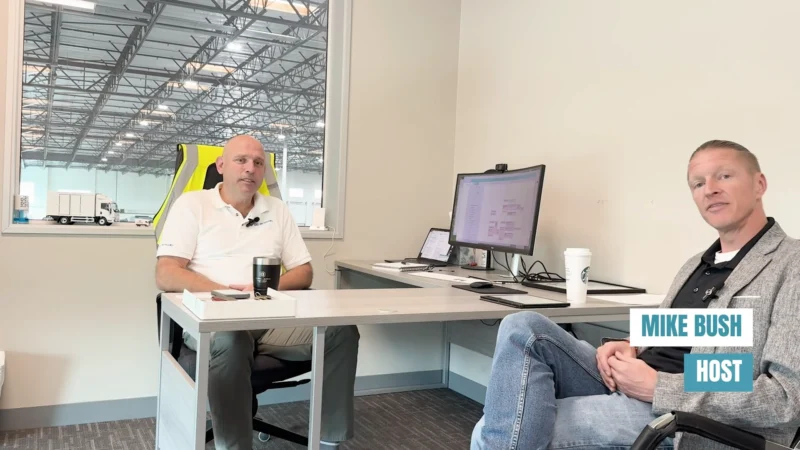
“Hammer Down“ engages with this intriguing narrative, featuring a conversation led by host Mike Bush, with the enigmatic Robert Baine, renowned as “the strongest man in logistics.” This episode delves into the transformative forces at play within the logistics sector, offering insights into the balance between embracing technological advancements and retaining the indispensable human touch that drives the industry.
Highlights of the Discussion:
- The transformative impact of technology on the logistics and supply chain industry.
- The critical need for the industry to attract fresh talent and enhance its public perception.
- Insights from Robert Baine on the synergy between human expertise and technological innovation in shaping the future of logistics.
About Robert Baine: With a career as varied and impressive as the loads he’s helped transport, Robert Baine stands out as a luminary in the logistics field. His journey through freight, consultancy, and tech innovation, combined with his passion for strength sports, positions him as a unique voice within the industry. Baine’s experience spans from operational roles to leading discussions on podcasts, advocating for the industry’s growth and adaptation to modern challenges.