Transportation Innovations Improve Reliability and Extend Battery Life
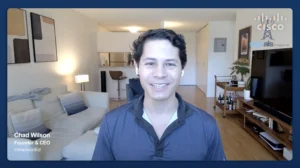
On today’s Transportation Podcast, we’re joined by Chad Hall, co-founder and senior vice president of marketing at Ioxus. Ioxus is a leading manufacturer of iCAP ultracapacitor, iMOD modules, and THiNCAP products that optimize battery life and improve reliability. Their products are used in hybrid automobiles and buses, wind turbines, and other applications.
Chad shared, “Our capacitors are in use in multiple industries. They are popular in hybrid buses and allow these vehicles to reduce the amount of fuel needed and emissions. They can also be used for voltage stabilization in power grids.”
Ioxus recently released a new product, uSTART®, which is a patented ultracapacitor battery support module. It works to improve battery life by reducing the cycling of the battery, maintaining a higher vehicle voltage during the start. “Typically, the uSTART will replace at least one battery in a vehicle or more. It provides the energy needed to start the vehicle, which puts a strain on the battery. The uSTART actually enables a quicker start,” Chad said.
The uSTART has a much smaller amount of stored energy than a battery but is more efficient at cranking. The ultimate goal of the product is to increase the reliability of starting, prevent stranded assets, and extend the life of the battery. By extending the battery’s life, the product offers sustainability as well.
“When fleets don’t have to install new batteries as often, they obviously save money, but it also means that the materials like lead are not being mined and manufactured. In fact, by using the uSTART, a fleet could prevent about one million pounds of lead from being processed. That’s a big step for sustainability,” Chad relayed.
The uSTART, winner of the 2018 Edison Awards Bronze Medal, is now available and field-proven. Learn more about by listening to the full podcast.
For the latest news, videos, and podcasts in the Transportation Industry, be sure to subscribe to our industry publication.
Follow us on social media for the latest updates in B2B!
Twitter – @TransportMKSL
Facebook – facebook.com/marketscale
LinkedIn – linkedin.com/company/marketscale