Forum Mobility Leads Sustainable Supply Chain Revolution with Zero-Emission Vehicles Subscription Model
As Earth Day shines a spotlight on environmental stewardship, the conversation around sustainability has extended its roots deep into the veins of the global supply chain. With stringent regulations coming into effect in California, mandating the transition to zero-emission vehicles for port entry, the race to adapt has been catalyzed. This push towards sustainability, while a significant step for environmental protection, introduces complex challenges and opportunities for logistics and transportation sectors, making the quest for viable solutions more urgent than ever.
What innovative strategies are companies adopting to navigate the transition to zero-emission vehicles within the supply chain, and how are these changes shaping the future of logistics?
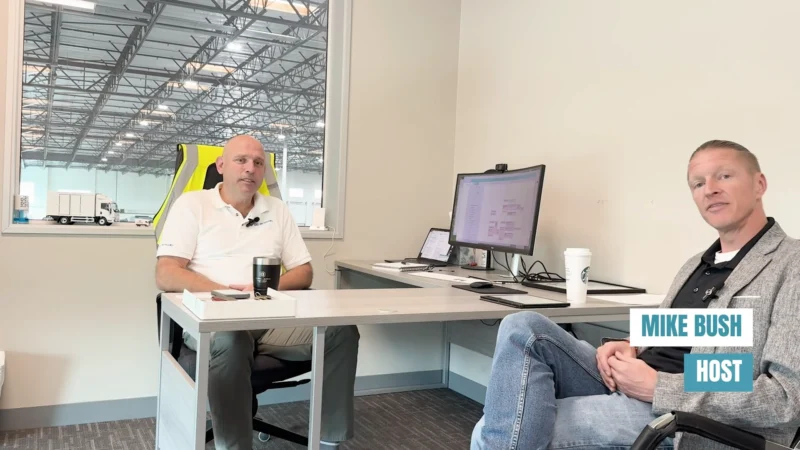
This critical question sets the stage for today’s episode of Hammer Down on the MarketScale Network, where host Mike Bush delves into the transformative journey towards a more sustainable supply chain with Matt LeDucq, CEO of Forum Mobility. In this Earth Day special episode, the discussion orbits around three pivotal points:
- The innovative approach of Forum Mobility in facilitating the transition to zero-emission trucks through a subscription model, effectively turning capital expenses into operational costs.
- The intricate challenges and insights gained from developing large-scale charging facilities for electric trucks, especially in port areas.
- The broader implications of these shifts for small fleets and owner-operators within the supply chain ecosystem, particularly in the context of regulatory impacts and the need for industry-wide collaboration.
Matt LeDucq brings to the table an extensive background in electrification and renewable energy, having spearheaded major projects in the sector before founding Forum Mobility. His journey from the trades to the pinnacle of infrastructure project management illustrates a profound dedication to innovation and sustainability, underpinned by a personal commitment to contributing to a cleaner future for the coming generations.