Rethinking Ride-Sharing: The Staffing Nightmare of a Law Enforcement Driver Model
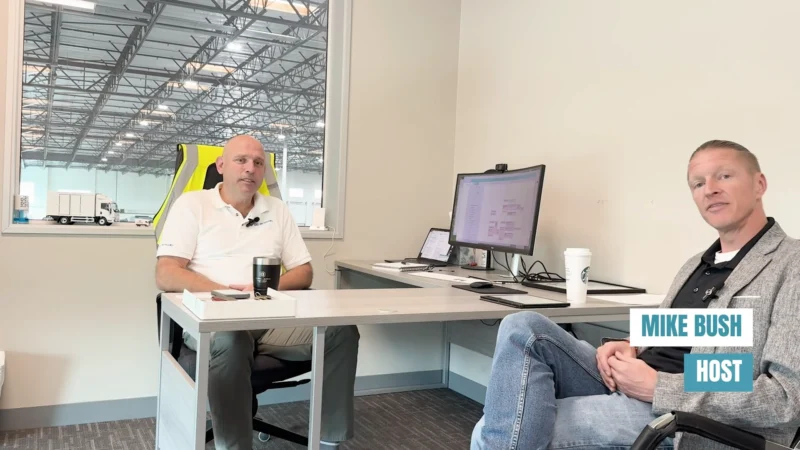
Mike Matranga, host of the SecurED Podcast, sits down with his co-host Mike Monsive, to discuss a unique business concept that involves adding a law enforcement driver model to the complexity of ride sharing. While intrigued by the idea, he raises concerns about staffing challenges and potential pushback due to the presence of firearms.
The business model, described as an “extra job app,” piques Mike’s curiosity, especially considering its initial success in Atlanta with 80,000 subscribers in the first week. However, he acknowledges the complexity of maintaining high standards while meeting demand and pricing correctly.
The conversation delves into potential obstacles, with considerations about public perceptions of firearms in American society. Mike anticipates potential difficulties in states with stricter gun laws, such as New York and California.
Anticipating a challenging journey, Mike emphasizes the importance of not compromising on standards to ensure the business’s success.
In conclusion, the discussion sheds light on the opportunities and obstacles of the unique law enforcement driver model business concept, touching on the potential challenges of staffing, public perception, and regulatory hurdles. As the business expands, it will be intriguing to observe how it navigates these complexities and carves its place in the market.