Employers Post Record Job Openings, But Where are All the Workers?

After a meager April jobs report showed companies are struggling to entice workers and find the right talent, even with a relatively high unemployment rate of 6.1%, industries are looking for something to be bullish about. That may just come from the same report, according to the US Labor Department, which found employers set a record for available job postings in March 2021.
Openings rose around 8% to 8.1 million job openings in March, which is the highest number on record dating back to December 2000. These numbers were equitable across industries, seeing job postings rise for restaurants, bars and hotels, manufacturing, construction, and retail, indicating an optimism from the US economy to reopen en masse and get back to “normal.”
But while these industries are the ones posting the most jobs, they’re also some of the ones with the highest unemployment rates. According to Statista research from April 2021, jobs like quarrying, oil & gas extraction, leisure & hospitality, construction, and retail lead the pack in terms of unemployment rates, ranging from 6.2% to as high as 14.3%.
Why aren’t we seeing these jobs filled, even with record openings? Many politicos are arguing over whether enhanced unemployment benefits from COVID are dissuading workers from returning to the workforce. And as we’ve seen across many low-wage fast-food and retail jobs recently, with viral social media posts of workers quitting en-masse from Dollar General, Wendy’s, and more, workers continue to demand jobs with higher wages & living wages.
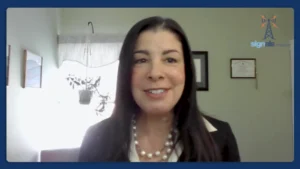
Elise Gould, Senior Economist at the Economic Policy Institute, shared some thoughts on the connection between unemployment benefits and the current hiring struggle in a Bloomberg interview, which you can hear in the audio update above:
“I don’t think that there is much evidence to suggest that; when the research looked at what happened with the extra enhanced benefit for $600 last year, that research conclusively said that it didn’t have an impact on labor force participation,” Gould said. “And the data we’re seeing today shows that labor force participation actually rose. So people are looking for more jobs. We did see that we did have that pickup in leisure and hospitality. So that is growing to meet that demand.”
This gap between job openings and new hires has been reflected in small businesses as well. In a different survey by the National Federation of Independent Business, 44% of small businesses said they had openings, but no one to fill them.
*Bloomberg contributed to this story.
Follow us on social media for the latest updates in B2B!
Twitter – @MarketScale
Facebook – facebook.com/marketscale
LinkedIn – linkedin.com/company/marketscale