How Rising Gas Prices are Fueling Remote Work

COVID-19 necessitated one of the largest shifts in the nature of work that we had seen in decades. Overnight, businesses went from operating primarily out of central office locations to working remotely.

Concerns about the health and well-being of employees drove this decision from business leaders. However, as the effects of the pandemic have waned, a new opponent to in-office work has entered the arena: gas prices.

The Russian invasion of Ukraine has seen gas prices soar to new heights, leading many employees to once again tout the virtues of hybrid work. Bill Kasko, president and CEO of Frontline Source Group, sees this as a challenge for businesses moving forward.

The solution that many businesses will gravitate towards is a hybrid mix of both home and office work. While every business is unique and has different priorities for employees, hybrid work remains an attractive option amongst executives.
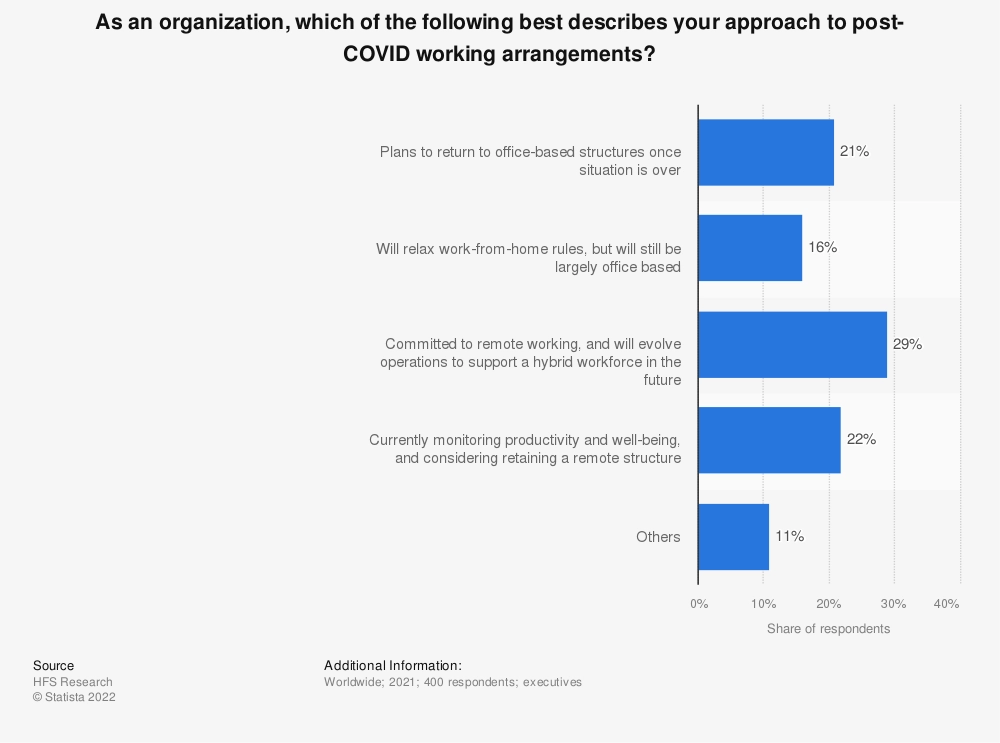
Post-Covid working arrangements

With gas prices unlikely to stabilize in the near future, employers can anticipate increased calls for hybrid work. For more industry insights, stay tuned to MarketScale.com.


Follow us on social media for the latest updates in B2B!

Image

Latest

Leadership
Leading Change from Within: The Power of Transformational Leadership
February 7, 2026

Leadership is being tested in real time. As organizations navigate AI adoption, remote work, and constant structural change, many leaders are discovering that strategy alone isn’t enough. People are asking deeper questions about purpose, trust, and what it really means to show up for teams when uncertainty is the norm. In a world where burnout…

Read More
technology
Clarity Under Pressure: Technology, Trust, and the Future of Public Safety
February 7, 2026

When something goes wrong in a community—a major storm, a large-scale accident, a violent incident—there’s often a narrow window where clarity matters most. Leaders must make fast decisions, responders need to trust the information in front of them, and the systems supporting those choices have to work as intended. Public safety agencies now rely…

Read More
weather Intelligence
Clarity in the Storm: Weather Intelligence, GIS, and the Future of Operational Awareness
February 6, 2026

For many organizations today, weather has shifted from an occasional disruption to a constant planning factor. Scientific assessments show that extreme weather events—including heatwaves, heavy rainfall, and wildfires—are occurring more frequently and with greater intensity, placing growing strain on infrastructure, utilities, and public services. As weather-related disruptions become more costly and harder to manage,…

Read More
AI in sterile processing
AI in Sterile Processing Is Proving Its Value by Acting as a Co-Pilot, Not a Replacement
February 5, 2026

Sterile processing departments are dealing with persistent operational pressures. Surgical case volumes are rising, instruments are more complex, and staffing shortages remain across many health systems. Accuracy and documentation requirements continue to tighten, leaving little room for error. In busy hospitals, sterile processing teams may handle 10,000 to 30,000 surgical instruments per day, with…

Read More