The Way Forward for Educating HVAC Novices
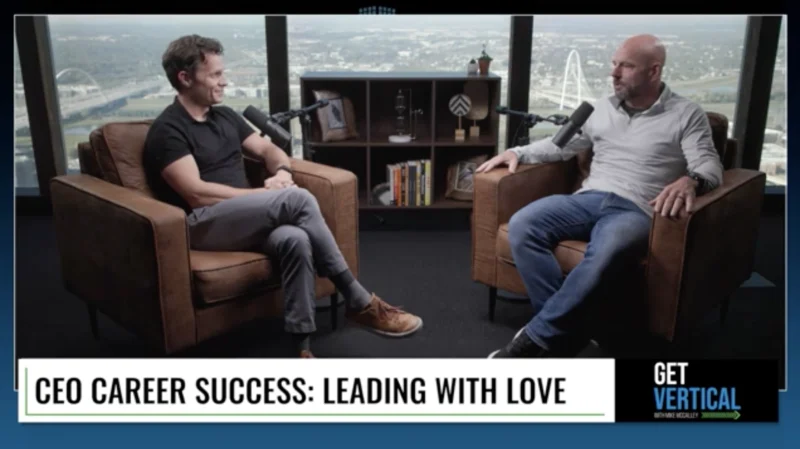
On the latest episode of “Straight Outta Crumpton”, host Greg Crumpton, had a chat with Martin King, about the evolution of teaching the younger generation, in terms of including not only the professional skills, but also emotional skills required to do a job.
King started by saying the younger generation has more access to technical knowledge than ever before. In the past, if you needed information on a machine, especially the older models, you would need to call the manufacturers. The sad reality is hundreds of callers also have one inquiry or the other. Therefore, technicians may need to hold on for about an hour or two to speak to a representative. Nowadays, technology has made access to information easier for technicians who are educating HVAC and skilled trade novices. Anyone who can access the internet can obtain relevant information. This is a breakthrough for manufacturers — as long as they upload relevant information online, their phone lines will not be exploding.
Schools teach technical skills, but this is not enough in real-life. In addition to schools, the internet has various resources that can optimize knowledge. Although there is a wide margin between degree programs and skilled trades, it provides an opportunity to increase the talent pool. The main challenge in skilled trades is making critical decisions that can help them become successful. Therefore, it is essential to provide adequate information to individuals considering a skilled trade.
“My focus is distributing information to the decision-makers (people who are trying to make a decision to go into skill trades), and training them on the appropriate work habit, money management and work ethics to be successful,” explained King.
King and Crumpton discuss how new technicians need guidance in four key areas…
1. Technical excellence, which involves discipline for making choices for career growth
2. Solid work ethics: habits in the workplace
3. Money management: habits for new technicians to manage the money they earn
4. Work-life balance
Work-life balance is at the top of the “habit pyramid.” This is because when the work-life dynamics are unstable, it affects your ability to deliver professional services.
King’s desire to impart knowledge to the younger generation led to the creation of Process Chiller Academy, an online platform for educating HVAC novices to process chillers or refrigeration. In addition, he launched the Skilled Trade Rescue, a platform where newcomers can learn from the experiences of others. Education is primarily about effective communication — people harness various means to learn, such as visual, audio, or audio-visual. However, the key is to provide the information in an authentic manner, such that the younger generation can appreciate it and provide feedback.
Martin King spent several years in the HVAC industry, and then moved to processing before retiring in 2020. He launched the Process Chiller Academy and Skilled Trade Rescue podcasts in 2020. However, he resumed work in 2022 by offering consultation services, online education for process chillers, and a website for helping skilled trade professionals.