A Closer Look at the COVID Slide Learning Loss

The realm of education has been utterly transformed as a result of the coronavirus pandemic – and it’s going to fall largely upon educators to do what they can to help right the ship for their students.
The pandemic – and the resulting “COVID slide” in learning, disproportionately impacted underserved communities and students of color, making the issue that much more critical.
“What the pandemic has done is really shown how equity is about opportunities in the community, in the home, in the schools, and all different levels of a student’s life.” – Eve Miller
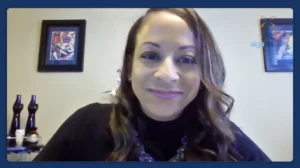
Here to talk about these issues in depth, as well as provide some insight into this unique learning phenomenon, is Eve Miller, Director of Research at FranklinCovey.
The COVID slide, Miller said, is a way to distinguish “learning models from other points of learning loss, such as a summer learning loss or other periods where there has been learning loss with students.
“COVID learning loss is widely spread and very exacerbated for different groups who have experienced gaps in their learning before, like equity gaps in learning or opportunity gaps in learning.”
The shift to virtual learning during the pandemic has also created a stark contrast between those with the means for and access to remote learning and those who don’t.
“It’s unfortunate, but we know these gaps in learning existed before the pandemic,” Miller continued. “What the pandemic has done is really shown how equity is about opportunities in the community, in the home, in the schools, and all different levels of a student’s life. I think it’s easy to blame the student and easy to blame the teacher – it’s easy to blame all these different levels, but that doesn’t get us anywhere.”
Although there isn’t a clear-cut answer to closing this divide in learning, Miller believes that it may take a new approach to do so.
“What I’ve seen in the literature coming out is an attempt to fix the large-scale issues in a similar way that we’ve always tried to fix things – ways that research has said doesn’t always fix things,” she said.
Subscribe to the Change Starts Here podcast on Apple Podcasts and YouTube for the latest insights and news in the world of education.
—
Follow us on social media for the latest updates in B2B!
Twitter – @MarketScale
Facebook – facebook.com/marketscale
LinkedIn – linkedin.com/company/marketscale