The Expansion of Electric Transmission Lines and the Clean-Energy Sector
The Energy Exchange explores the complex and critical intersection of energy, money and technology. Experts will use their insights and forecasts to outline what energy is available to us, the costs associated with that energy production and its use, and the technological innovations changing the way we utilize Earth’s resources to power our way of life.
For the past decade or so, electric transmission companies have built up their own power systems, largely working in vertical siloes with local distribution.
But, to thrive, the clean-power sector needs federal subsidies and regional plans. President Joe Biden’s proposed $2.3 trillion infrastructure plan would support the expansion of high-voltage transmission lines with greater capacity for more reliable wind and solar generation, while extended tax credits would help keep renewable energy costs down.
Rob Gramlich, Founder and President of Grid Strategies LLC, a consulting firm focused on transmission and power market issues in pursuit of low-cost decarbonization, and Executive Director of ACDG (Americans for a Clean Energy Grid), has had a front row seat on the concerns and solutions needed.
“They’re relevant in the context of the infrastructure policy conversation here in Washington, If you put all that together, you get a leveraging effect, and you get extra good energy output from transmission lines.” -Rob Gramlich
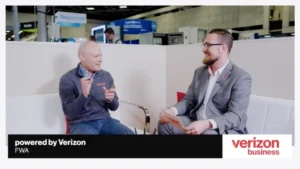
David Hidinger of The Energy Exchange spoke to Gramlich about a shovel-ready report that Grid Strategies recently released in partnership with the Macro Grid Initiative and the ACDG, which centered around 22 large-scale transmission projects that are ready to launch.
“They’re relevant in the context of the infrastructure policy conversation here in Washington,” Gramlich said. The incentive to push them over the finish line, he added, is that they would increase renewable energy in the country by 50%. “If you put all that together, you get a leveraging effect, and you get extra good energy output from transmission lines.”
As it currently stands, stakeholders have the same basic problem – “they’re passing the hat around, trying to get customers to sign up.”
Once deployed, Biden’s infrastructure plan will put people to work in the near term. And, in the long term, Gramlich said, more lines will be needed in regions to ensure that more utilities and regulated grid operators connected.
Follow us on social media for the latest updates in B2B!
Twitter – @MarketScale
Facebook – facebook.com/marketscale
LinkedIn – linkedin.com/company/marketscale