Tracking Assets is a Key Part of Accountability and Transparency


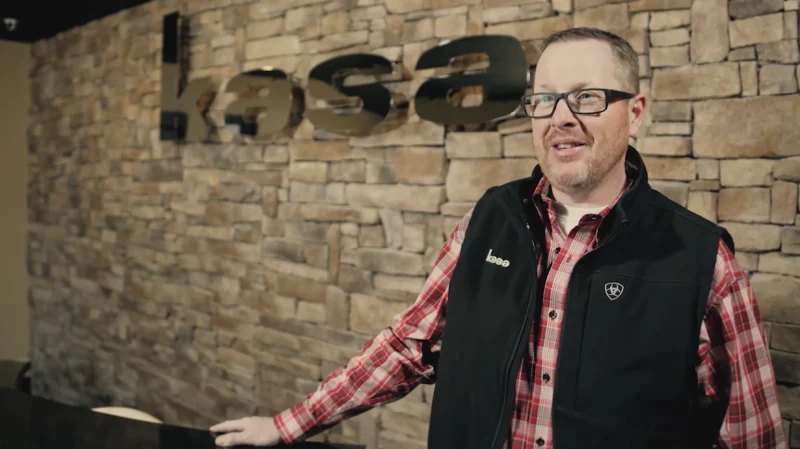
One of the largest sources of financial inefficiency for any construction company are expenditures that can be prevented by consistent asset tracking. On this episode of ThingTech’s Enterprise Asset Intelligence podcast, the CEO of yardz, Jason Perez, sat down with Sean Heath and they discussed the simple way to solve this complex issue.

The most common mistake happens for both owned assets and rented equipment according to Perez.

“People are renting a lot of stuff that they don’t even need to rent, because they don’t even know where their own stuff is,” he said. “That was kind of an interesting segue way of rentals to owned and, really, it’s all about getting the tools regardless of whether you own them or not.”

It may seem that a highly complex solution would be required, but that’s not necessarily the case.

“Our industry is simple. Really simple. The more complex you make it, the less people connect to your solution,” Perez said.

The range of heavy construction project benefits are obvious, but other job sites can leverage the new technology, as well.

“It’s been a big deal for these roofing contractors to be able to go in and go: ‘Hey. Every project we go out, I’m a click of a button away from renting a reach lift, a port-a-potty, and a dumpster. And it takes me about 15 seconds of effort,“ Perez explained.

Misplaced or forgotten equipment is lost revenue that Perez sees on a consistent basis.

“I would say we walk in regularly, 8 months, 6 months, 3 months, you know, it’s months that people are leaving pieces of equipment and we’re talking tens of thousands of dollars that they’re leaving on the table that they could be putting back to the bottom line,” he said.

For the latest news, videos, and podcasts in the Engineering and Construction Industry, be sure to subscribe to our industry publication.

Follow us on social media for the latest updates in B2B!

Twitter – @AECMKSL
Facebook – facebook.com/marketscale
LinkedIn – linkedin.com/company/marketscale

Follow us on social media for the latest updates in B2B!

Image

Latest

continuous improvement in education
Continuous Improvement in Education: If You Want Different Outcomes, Change the System
February 24, 2026

School systems across the country are under mounting pressure to improve student outcomes while navigating shifting standards, staffing shortages, and rising expectations around accountability. Yet many reform efforts fall short because they are fragmented and short-term. According to Learning Forward’s Standards for Professional Learning, sustained and job-embedded professional learning is linked to improved educator…

Read More
growing with sales
Get Vertical! Growing with Sales for Success
February 24, 2026

Buying behavior has shifted dramatically. Today’s B2B customers do most of their research before ever speaking with a salesperson. In fact, 61% of B2B buyers say they prefer a rep-free buying experience, according to a 2025 Gartner survey. At the same time, U.S. retail e-commerce sales exceeded $1.192 trillion in 2024. Growth still depends…

Read More
All Blacks
Standards, Identity, and Legacy: Leadership Lessons from the All Blacks and Other Elite Teams with James Kerr
February 23, 2026

Dynasties are rare. Most teams rise, win for a season, and fade. A superstar retires. A coach leaves. The chemistry shifts. What once felt inevitable suddenly looks fragile. Sustained excellence is far harder than a single championship run — it requires standards that survive ego, systems that outlast individuals, and a culture strong enough to…

Read More
governance
Exploring the Intersection of Board Governance, Community Engagement and Creativity with Ann Margolin
February 23, 2026

Behind every city vote, hospital budget or zoning decision is a leader navigating tough, often conflicting priorities. Right now, public leaders are operating in an environment of rising healthcare costs, workforce shortages and heightened community expectations—especially within safety-net systems that collectively provide billions in uncompensated care each year. The stakes are real—they affect patients…

Read More