Why Barrel Aging is Booming in Breweries, and What it Means for Seasonal Releases

Barrel-Aged Hit
In the latest episode of Made in America, host Tyler Kern visited two distilleries in Kentucky to get a behind-the-scenes look at the bourbon-making process.
After bourbon ages in barrels for a minimum of four years, distilleries have to decide what they want to do with their excess barrels. A strict guideline of bourbon is to only use the barrels once, so reusing them is not possible.
What used to be a landfill nightmare has turned into a new industry. Selling used barrels to breweries has become increasingly common as the popularity of bourbon-aged beers has risen with the craft beer boom.
Anchor Brewmaster Scott Ungermann said his team has also incorporated another brewing trend into their beers in recent years, keeping the brewery in line with consumer demands.
New Season, New Beer
For any business to stay relevant with its customers and ahead of the competition, it must constantly innovate. In the beer and alcohol industry, which is as fragmented and competitive as it has ever been, this rings especially true.
Each season of the year provides breweries an opportunity to introduce creative offerings, but to invest in a short-term offering, beer producers must be confident in their product.
As the holiday season approaches, breweries across the U.S. are beginning to roll out their end-of-year special releases. In San Francisco, Anchor Brewing has released its Christmas Ale annually since 1975. However, the brewery changes the recipe each year to bring something different to its consumers.
“We have a tradition we started which was aging our Christmas Ale in barrels and then taking the previous year’s Christmas Ale and releasing a barrel-aged Christmas ale right about Thanksgiving time. We’re working on that right now,” Ungermann said.
The 2019 edition of the Anchor Christmas Ale is available in stores today.
Catch Up On Made In America
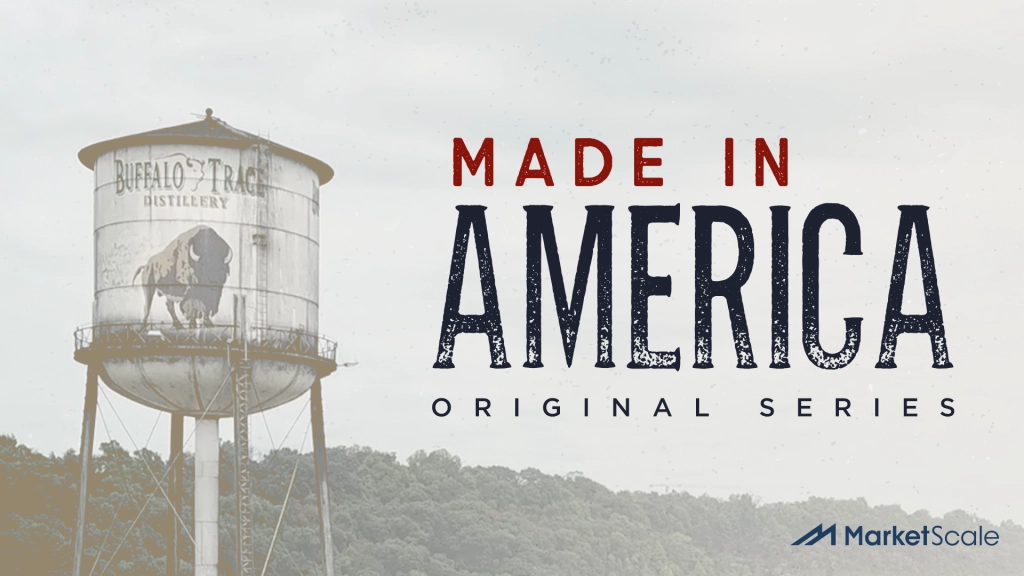
If you’ve ever had a glass of American whiskey, there’s a high chance it was distilled near Lexington, Kentucky. On this bonus episode of Made In America, we discover what has made this drink so popular for generations, and how Kentucky puts its own stamp on it.