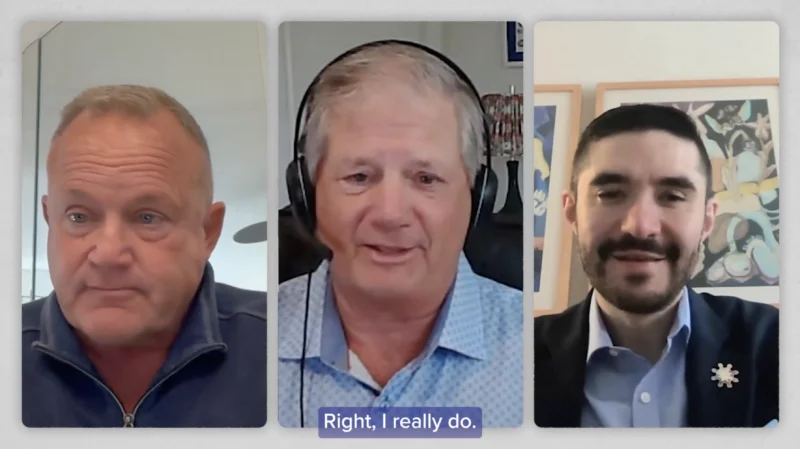
Breaking Barriers as Congressman Smith Tackles the Silent Struggle of Military Mental Health
In an era where conversations about mental health are becoming increasingly crucial, many still find it challenging to merge the discussion with those in positions of power. Leaders, particularly those in the limelight, are often held to an unrealistic standard of stoic resilience. A staggering 1 in 5 U.S. adults experience mental health illness each year, according to the CDC, indicating its ubiquity across all walks of life, including the corridors of power.
But what happens when the burden of mental health collides with the pressures of public leadership?
Tune into this gripping episode of Holistic Leadership, hosted by Dr. Travis Hearne and Geoffrey Roche, as they sit down with Congressman Adam Smith. The discussion traverses:
- A Personal Tale: Congressman Smith’s candid revelation about his six-year battle with chronic pain, anxiety, and the search for the right diagnosis amidst the stringent demands of political leadership.
- A Not-so-private Struggle: The trials of being in the public eye while grappling with personal health issues, highlighted by moments like the Benghazi commission hearing.
- The Broader Context: Comparing experiences, Dr. Travis Hearne draws parallels between Smith’s journey and the challenges faced by military personnel returning from combat zones, struggling with their own traumas and the societal expectation to “move on.”
Congressman Adam Smith, apart from his significant political roles, is the author of Lost and Broken: My Journey Back from Chronic Pain and Crippling Anxiety. His story isn’t just a personal account but resonates with the many who suffer in silence, bearing the weight of leadership or public service while navigating personal health battles.