Bridging the Gap: Data Insights Level the Playing Field for Promotional Reviews Across Market Segments
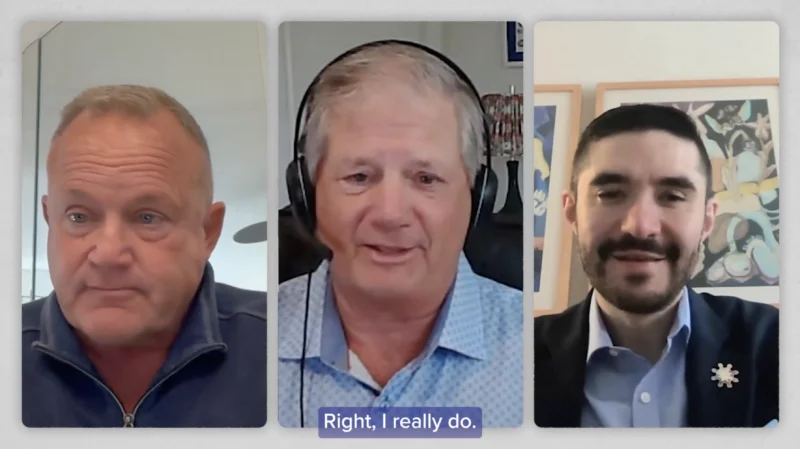
Jessy Horrell, the VP of Customer Success at Vodori joins Annalise Ludtke, the Senior Manager of Marketing and Communications on a recent episode of Benchmarks Symposium. The duo took a look into the 2023 State of Promotional Review Benchmarks Report, providing a detailed analysis of promotional review processes across various market segments. The discussion emphasizes the importance of data-driven insights in optimizing these processes, highlighting how company size affects the number of jobs handled per month and the average job duration. With emerging companies averaging nine jobs per month with a 16.5-day duration and enterprise companies handling thirty jobs with a 13.7-day duration, the episode uncovers significant variances in operational efficiency and capacity across different market segments.
Furthermore, the conversation explores the observed trend of a natural bell curve in job duration across these segments and discusses the slight slowdown in process speeds compared to the previous year, attributing it to market conditions and resource limitations. Jessy offers valuable advice on utilizing the benchmark data to improve promotional review processes, such as prioritizing training, evaluating resource allocation, and tailoring workflows to eliminate bottlenecks. This insightful episode is a valuable resource for professionals looking to benchmark and enhance their promotional review processes. Anyone can access the full report on Vodori’s website for an in-depth analysis and practical strategies for operational enhancement, specifically tailored to their position within the market segments.