Global Health Staffing: Beyond Ethical Recruitment
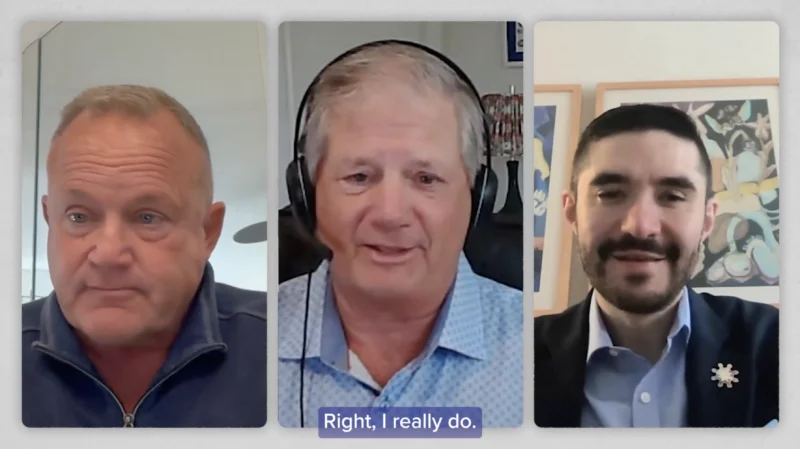
In this episode of Care Anywhere: The Global Health Workforce Podcast, host Lea Sims, Chief Marketing Officer of TruMerit, welcomes Earl Dalton, MHA, MSL, BSN, NEA-BC, Chief Clinical Officer & VP of Clinical Services at Health Carousel, for a powerful conversation on building a more ethical, sustainable future for global healthcare staffing.
Earl shares his personal journey from a small fishing village in Canada to the Duke University Health System and ultimately into his current role leading clinical strategy for one of the largest international nurse staffing firms in the U.S. He discusses the deep responsibility Health Carousel feels as a “social enterprise,” committed not only to ethical recruitment, but also to the professional and personal development of the nurses they serve.
The episode explores Health Carousel’s multi-pronged global initiatives—training nurse educators in the Philippines to improve local licensure exam pass rates, launching Uganda’s first ICU nurse training program and computer lab, and partnering with the DAISY Foundation to recognize nurses in underserved regions. Earl explains how these efforts are designed to leave a “better than carbon neutral” footprint in sending countries by strengthening local infrastructure and contributing back to the global nursing workforce.
Lea and Earl also discuss the future of health worker mobility, the need for career path planning, and the vital leadership role nurses must play in shaping global healthcare policy and innovation. Whether you’re a frontline clinician, a policymaker, or a recruiter, this episode offers insight into what ethical, future-ready health workforce development really looks like.
Tune in to the full episode at trumerit.org/podcast or on your favorite podcast platform.