Should a CDI Specialist Query if There is No Impact?
The healthcare industry continues to become more and more tech savvy. Technologies like Machine Learning and Artificial Intelligence can help drive significant improvements in healthcare and with organizations like Leapfrog Group weighing in on hospital standards and ratings with a variety of scoring metrics, healthcare facilities continue to innovate.
Perhaps one of the most important details, often overlooked in the face of shiny new tools, is the need for facilities to continue to improve upon their clinical documentation and improve patient outcome. But should specialists query if there is no direct impact?
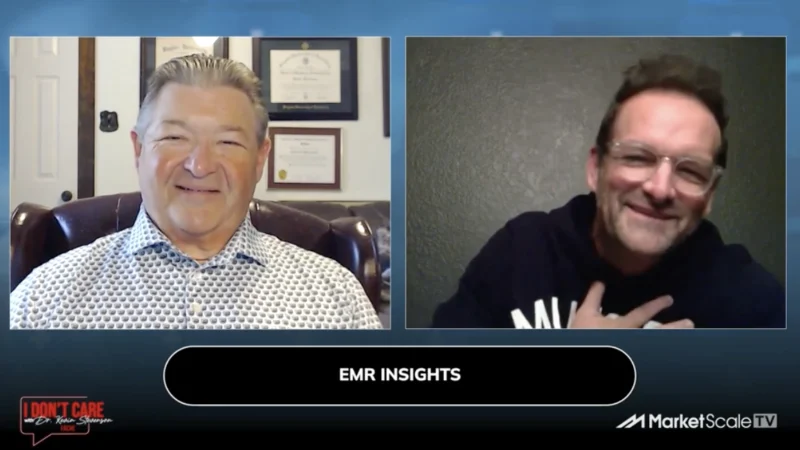
On this episode of Iodine Intelligence -Empowering Intelligent Care, host Lauren Hickey chats with Chief Clinical Strategist at Iodine, Fran Jurcak, about the importance of queries for improving patient outcomes and expectations. Hickey and Jurcak discuss…
- Calculating impacts to queries
- How to accurately represent every patient
- Why it is important to identify risks and outcomes
“I think the challenge is, as we figure out ways to better automate and create efficiency, it isn’t so much about the volume of queries or the actual number of queries but maybe more about the process by which they have to answer them, that maybe we could potentially address so that it is easier,” said Jurcak.
Jurcak has been with Iodine for over six years, and has held numerous Director positions in the healthcare environment and was the Assistant Professor in the nursing program at Madonna University for more than 14 years. She holds her BSN in Nursing from the University of Michigan and her MSN in Nursing from Wayne State University.
Jurcak also holds a post-master certificate from Madonna University in Health Education and the Certificate in Health Care Finance for Nurse Executives.