Tale of Two Interns: What AI Is Really Doing to Entry-Level Work
The narrative around early-career work has become increasingly pessimistic, with headlines pointing to a shrinking pool of entry-level roles, fewer internship opportunities, and AI accelerating both trends. But beneath that narrative, a different tension is emerging—one that’s less about the disappearance of opportunity and more about how it’s being reshaped. Students are using AI to move faster, apply more broadly, and present themselves more effectively, while employers are struggling to distinguish between candidates in a sea of highly polished, AI-assisted applications. For higher education, this creates a new kind of pressure: not just preparing students for the workforce, but helping them navigate a hiring landscape where the traditional signals of readiness are starting to break down.
So what’s really happening to entry-level work right now—and are internships actually disappearing, or just starting to look very different?
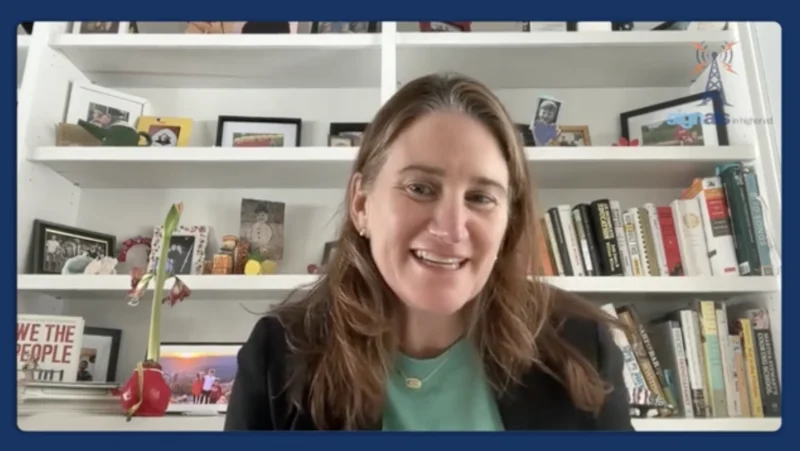
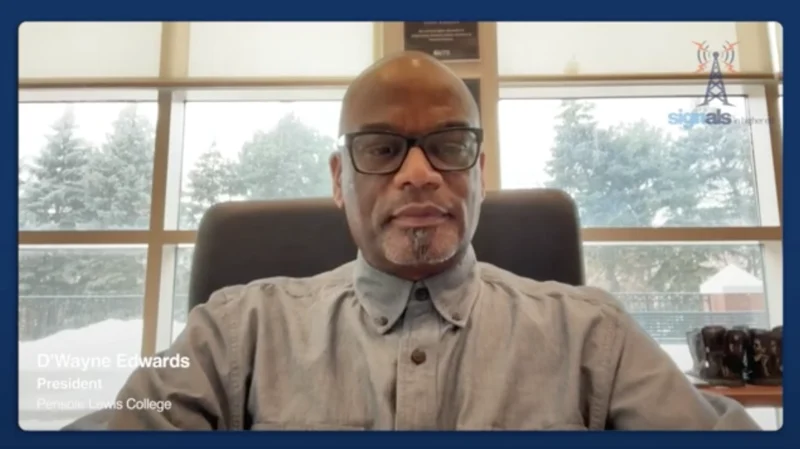
That’s the question at the heart of the latest episode of Signals in Higher Ed. Host Darin Francis sits down with Jillian Low, Chief Strategy Officer at Virtual Internships, to unpack new research on how AI is shaping internship experiences in real time. Drawing on interviews and survey data from global employers and interns, the conversation explores how AI is influencing skill development, hiring signals, and the future of early-career pathways.
What you’ll learn…
- Why AI isn’t replacing internships—but is changing what separates a strong intern from an average one.
- How employers expect interns to use AI—and what that means in practice.
- What’s breaking in the hiring process—and why resumes alone are no longer enough to stand out.
Jillian Low serves as Chief Strategy Officer at Virtual Internships, where she leads global strategy, learning innovation, and partnerships to scale work-based learning across universities, employers, and governments. She focuses on workforce development and instructional design, helping connect education to employment at scale—supporting over 12,000 learners in accessing internships with 20,000+ companies worldwide. With a background spanning international workforce programs and edtech leadership, she now explores how AI, experiential learning, and skills frameworks can better prepare learners for the modern workforce.
Article written by MarketScale.