Why Data-Driven Financial Aid Strategies Are Critical to Higher Ed’s Future
As higher education faces declining public trust and heightened financial pressure, colleges are being pushed to rethink how they manage enrollment and financial aid. Data analytics and predictive modeling are emerging as critical tools, with institutions seeking ways to allocate limited aid dollars while still aligning with their missions. According to the most recent data from the National Center for Education Statistics, tuition dependence varies widely across sectors: for-profit institutions rely on student tuition and fees for nearly all of their revenue (93 percent), while the share is closer to one-fifth for private nonprofit colleges (19 percent) and even lower for public institutions (16 percent). This reliance underscores just how vital financial aid strategies are to institutional sustainability, especially for schools with smaller resource bases.
So how can colleges transform financial aid from a “black box” into a transparent, mission-driven process that builds trust with students and families?
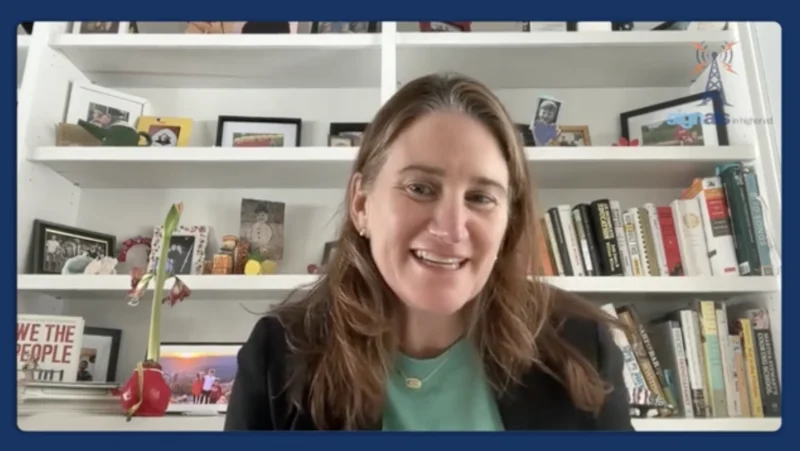
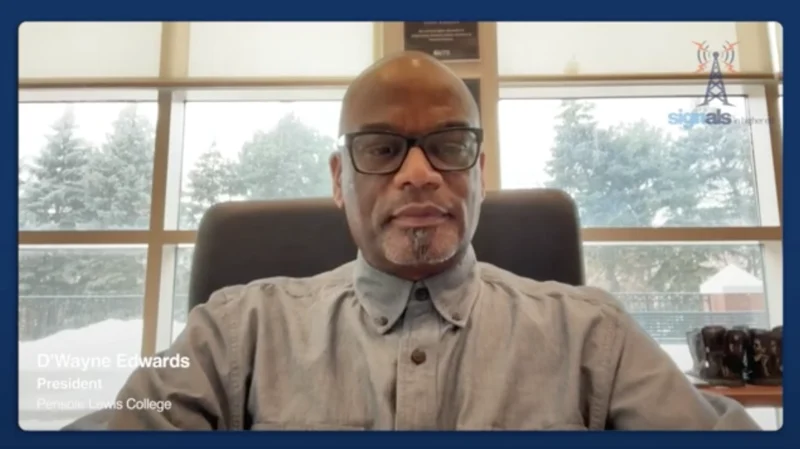
Welcome to signals in higher ed. In this episode, host Darin Francis, CEO & Managing Partner at Harbinger Lane Consulting, speaks with Scott Cline, Ed.D., consultant at SightLine and veteran enrollment leader. Their conversation spans the challenges of demystifying financial aid, the promise (and pitfalls) of AI, and what smaller colleges can do to thrive in an era of constrained resources.
The duo discuss…
-
Why financial aid optimization is often misunderstood as opaque, and how institutions can reclaim ownership of their data to build transparency and trust.
-
The role of AI and predictive analytics in shaping enrollment and aid strategies—and why colleges must understand the technology before they adopt it.
-
How small institutions, often unable to build in-house data teams, can leverage boutique partnerships like SightLine to integrate analytics without losing sight of mission and values.
Scott Cline, Ed.D., is a senior higher education leader with over 20 years of experience in enrollment management, financial aid, and organizational strategy. He is the Founder & Principal Consultant of SCC Consulting, a consultant with SightLine, and former Senior Vice President of Enrollment Management & Auxiliary Services at California College of the Arts. Known for his expertise in higher ed leadership, policy, and data-informed decision-making, he also works as an advisor, executive coach, and speaker to help institutions navigate challenges and drive measurable impact.
Article written by MarketScale.