After 1,000 Races What Does China Mean to F1?

Formula One swung through Shanghai, China for the circuit’s 1,000th ever race last weekend. The Chinese Grand Prix, held annually since 2004, attracts more than 100,000 fans to the track each year and showcases how far China has come in the last quarter century.
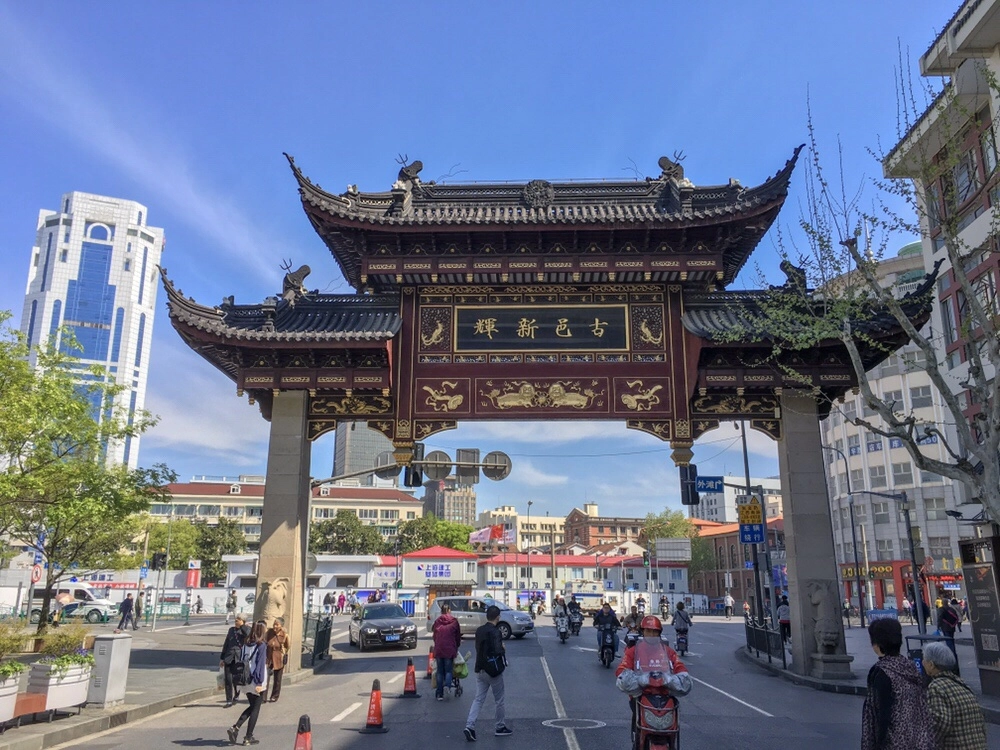
Carving a New History of Racing
The country has opened up to the world since the end of the 20th century and its relationship with Formula One racing is among the most exemplary signs of this. The sport has a global audience and races in 21 countries on six continents during its season.
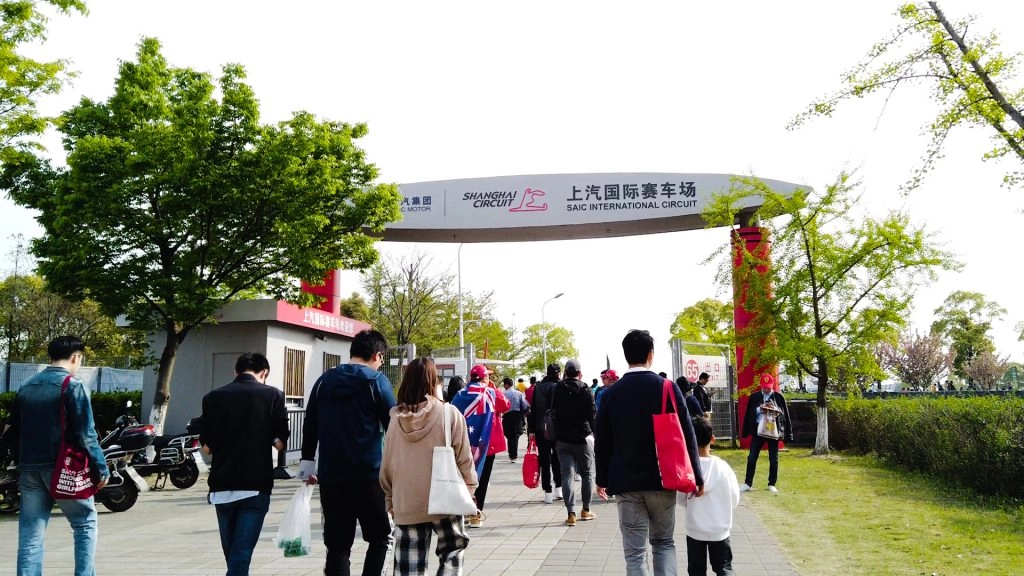
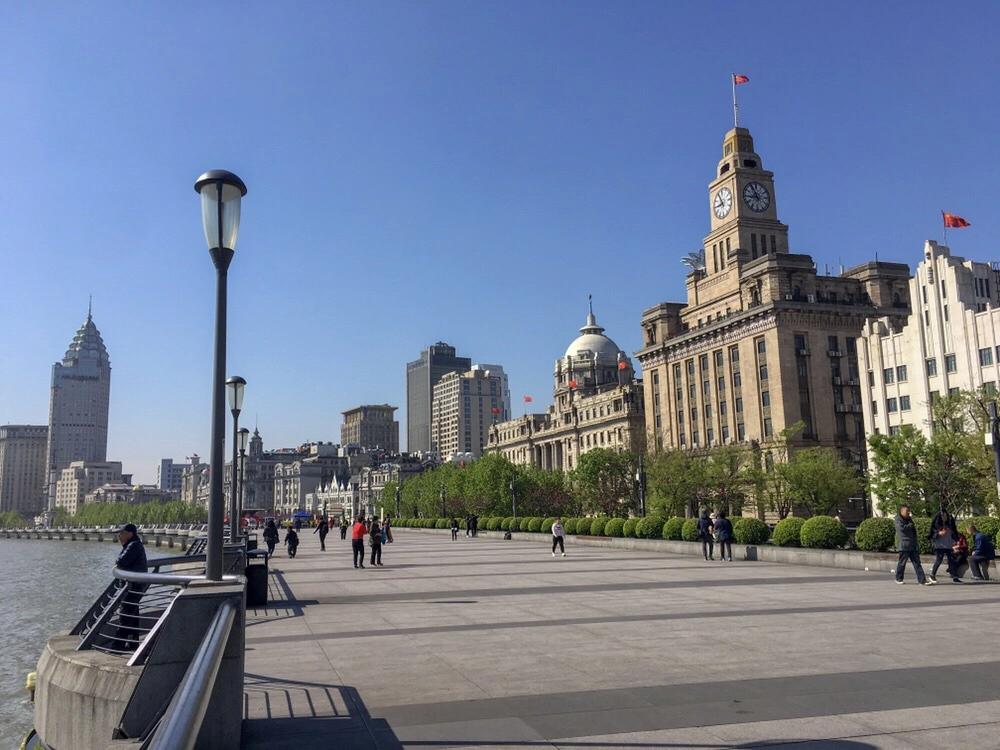
The Shanghai International Circuit, where the race was held, is also indicative of China’s appeal to the wider world. The track’s infield seating area is modeled after pavilions in the city’s famous Yu Garden, promoting the culture and history of Shanghai to the worldwide audience. Parts of the city also pay homage to classic European architecture, including the tourist-friendly Bund waterfront area.
No expense was spared on the track, making it one of the jewels of the entire tour. The venue is ranked as one of the best sites to see in Shanghai, an impressive feat given how much there is to do in such a vast and historic city.
Worldwide Challenges for a Worldwide Tour
Formula One teams are equipped to handle the demanding travel built into their schedules. Still, the excursion from a race in Bahrain to the event in Shanghai comes with logistical challenges. The Federation Internationale De L’Automobile (FIA) brought with it to Shanghai historical artifacts to celebrate the milestone race in the circuit’s history, but only three actual race cars from its past made it on the trip.
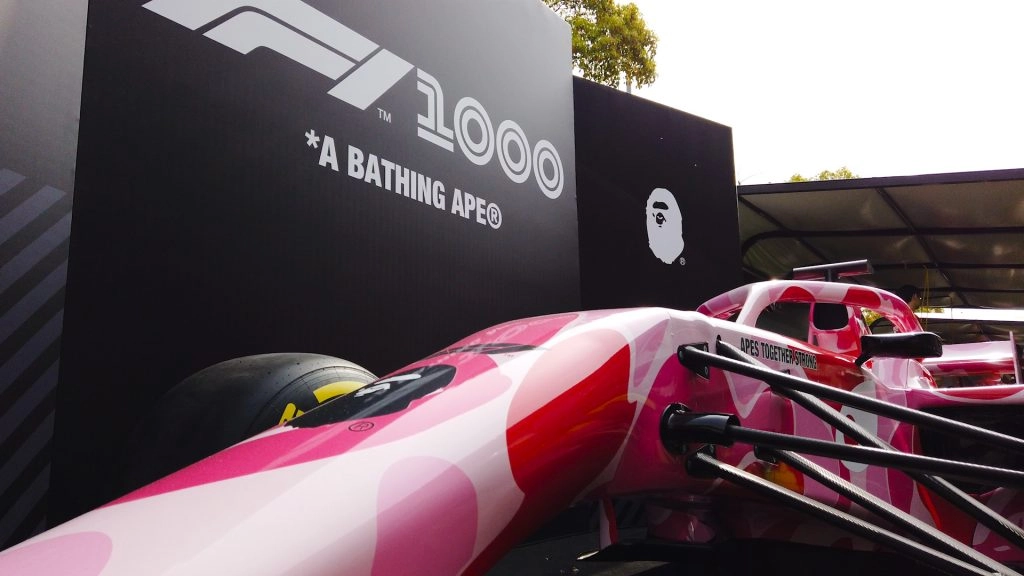
Communication becomes extremely difficult for the teams involved in the race as well. Many of the teams’ engineers are based in Europe, so the time difference hinders the ability to speak to teammates on-location in real-time. It is also difficult to adjust the car based on insight from team labs remotely. This is the stressful reality of the sport, Given the fact that they are dealing with a non-negotiable deadline.
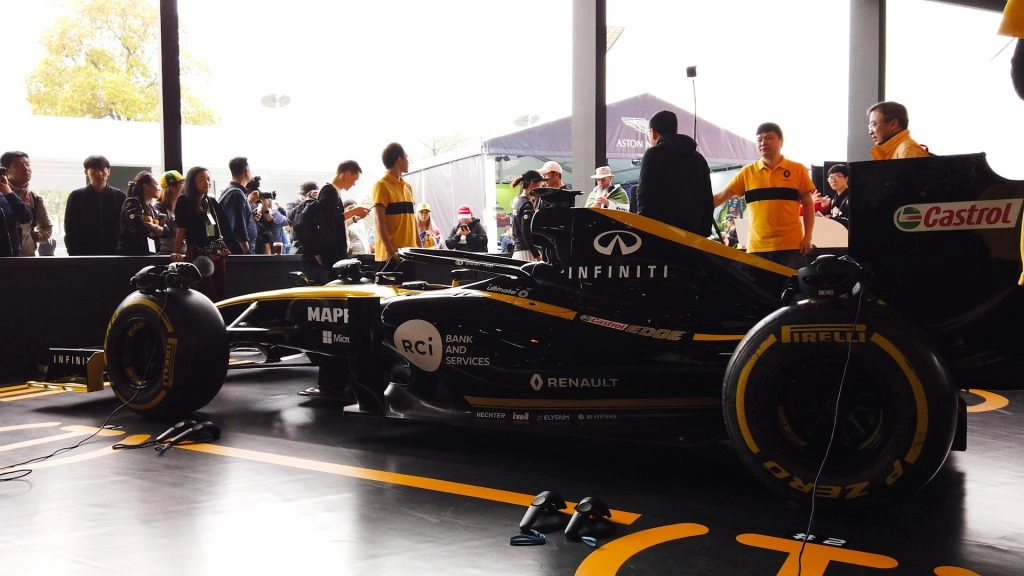
From a fan’s perspective, the track lies on the outskirts of the city in a former rice paddy, so trains are key to getting spectators from the city to the venue.
Tech for a New Era of Racing
China has rapidly become one of the most technologically advanced countries in the world and Formula One cars are equally as cutting-edge. Racers in the Chinese Grand Prix handle some of the most state-of-the-art driving machines on earth and new developments are constantly being implemented, sometimes from race to race. Updates to disc brakes, active suspensions, rearview mirrors are all built to be as aerodynamic as possible.
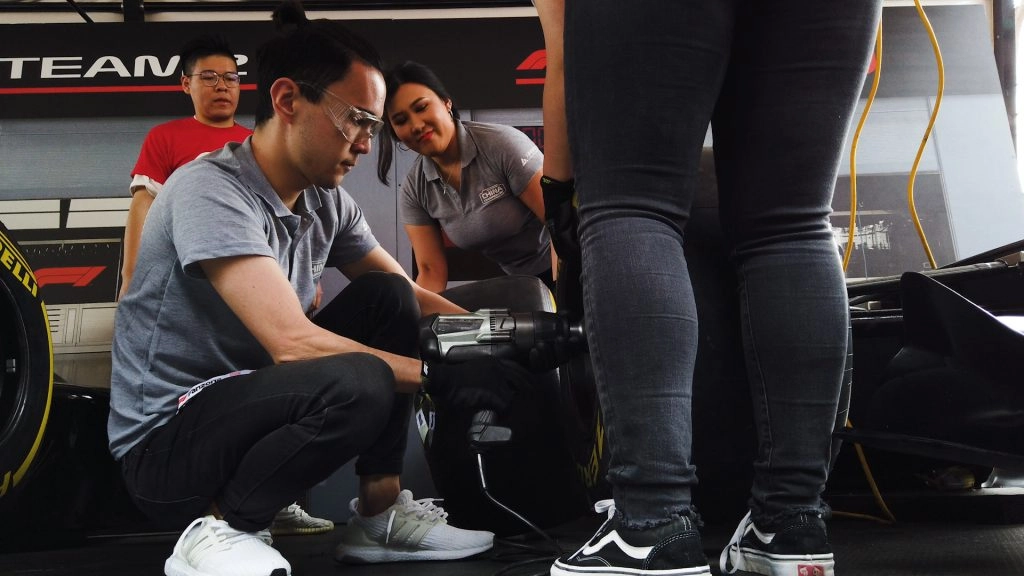
At the race, Formula One displayed the future of innovation in the sport through its partnership with STEAM programs.
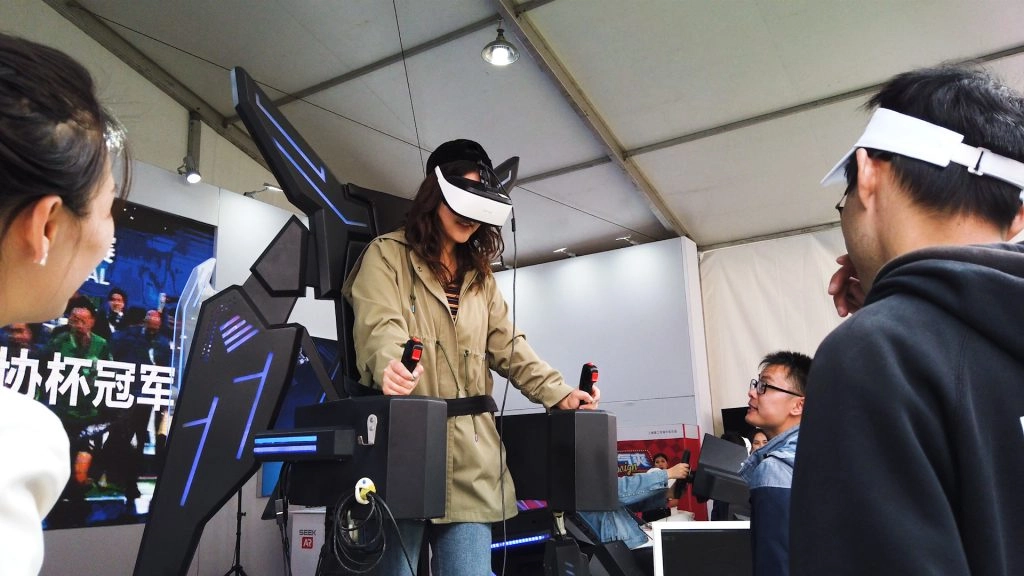
Even as it has rapidly progressed, China is still a largely untapped market. Formula One is bringing a worldly influx of attention to the region and the partnership is showing no signs of slowing down.
For the latest news, videos, and podcasts in the Sports & Entertainment Industry, be sure to subscribe to our industry publication.
Follow us on social media for the latest updates in B2B!
Twitter – @SportsEntMKSL
Facebook – facebook.com/marketscale
LinkedIn – linkedin.com/company/marketscale