Navigating Growth Opportunities and Finding Operational Efficiencies in Logistics
The supply chain is a tough concept to nail down, but most key players across the world of industry agree that it involves how organizations get products and solutions from point A to point B.
Because of the COVID-19 pandemic, that journey has become more complex than ever – but that doesn’t mean that there aren’t opportunities to find unprecedented efficiencies out there waiting to be taken advantage of.
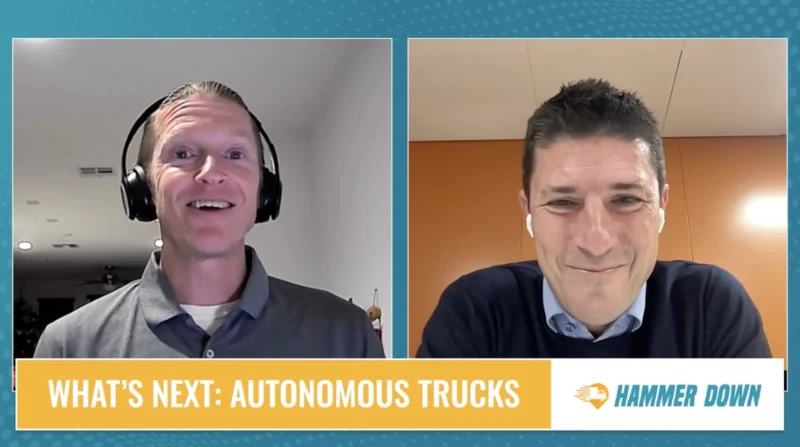
In this industry discussion, host Tyler Kern is joined by Private Equity CEO Steve Rubin to explore some of those opportunities and outline how companies the world over can take advantage.
“The act of moving freight from point A to point B really hasn’t changed much since I’ve been in [the industry] – in 30 years,” Rubin said. “But everything else around that, both physically and digitally, has changed dramatically. … The system has had to do that to account for the explosion in world trade.”
Still, for all the advancements and innovations, plenty of challenges exist, particularly in addressing escalating freight and congestion as spending grows in the wake of COVID-related shutdowns.
“The challenge of the movement now is the incredible rush of freight coming from overseas into the U.S. during the pandemic,” Rubin said. “That’s really item No. 1. What do we have to do as an industry to come together to figure out how to quickly reduce that congestion?”
There aren’t any easy answers, but the answers that do surface could play long-term roles in supply-chain efficiencies and in elevated engagement along the entire length of that supply chain moving forward.
For more thought leadership, head to the Cargomatic website here.
Follow us on social media for the latest updates in B2B!
Twitter – @MarketScale
Facebook – facebook.com/marketscale
LinkedIn – linkedin.com/company/marketscale