The CHIPS Act and OSRA Create Positive Ripple Effects for the Trucking Industry
Last year, two major pieces of legislation passed that will be a huge boon to the trucking industry. The first is the CHIPS Act, which brings home the production of automotive and truck-grade chips. For context, the U.S.’ semiconductor manufacturing share has drastically decreased from 37% in 1990 to 12% today.
The second piece of legislation is the Ocean Shipping Reform Act, which addresses the balance of power in the global supply chain. For over 100 years, the balance of power has been with ocean carriers, and the OSRA aims to rectify that and give more authority back to the trucking industry.
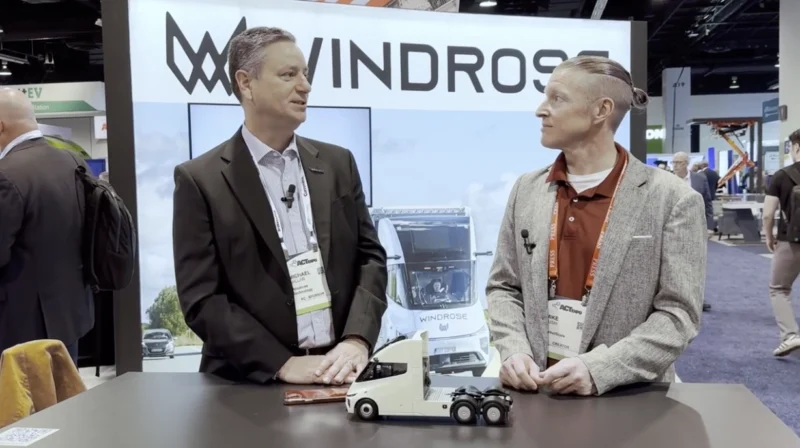
These legislative changes will have a significant impact on the trucking industry and the supply chain as a whole. Bill Sullivan, EVP of Advocacy for American Trucking Associations, and Weston LaBar, Chief Spokesperson & SVP of Industry Relations for Cargomatic, offer further understanding of the critical nature of these bills and why they’re an optimistic sign for addressing long-standing challenges for U.S. trucking.
Bill & Weston’s Thoughts
B: “Last year became a year in which two really major legislative events happened for the trucking industry in different ways. In a year that nothing was supposed to move, major pieces of legislation moved last year, which was terrific. You know, if Congress is going to do stuff, we prefer they do good trucking policy.
So the two major legislative pieces that moved last year, just for those who don’t follow Congress every day, was the CHIPS Act, which was $52 billion, sort of the core piece of it was $52 billion of support to bring chip manufacturing back. The CHIPS Act does have a prioritization that includes automotive and truck-grade chips, so that was an important piece. And just as a country in terms of national policy, all of those being in Asia is a big problem.”
W: “I wanted to just underline how important that is for so many of the members of the APA, and especially for folks that are out here in states like California and some of the other states that then will follow the California environmental policies. This is a huge deal.”
B: “The other really important piece of legislation for trucking was the Ocean Shipping Reform Act, OSRA. And the beginning of the Biden administration had an executive order that talked about detention and demerge fees, a very long executive order, but recognized the challenges that the motor carrier industry, that the supply chain faces in the balance of activity, the balance of power, particularly in the intermodal space and in this global community and the global supply chain. So the balance of power has certainly been with ocean carriers for reasons that are understandable and go back more than 100 years.”
Article written by Adrienne St. Clair.