Predictive Networks: How Baron Weather and GIS are Strengthening Telecom Operations
Severe weather is no longer an occasional disruption for telecom providers—it’s becoming part of the operating environment. During Hurricane Ida in 2021, the Federal Communications Commission reported that nearly 1,000 cell sites across Louisiana and Mississippi went offline. In 2024, Hurricane Milton left more than 12% of cell sites in impacted areas of Florida out of service. When towers go dark, it’s not just dropped calls—it’s lost access to 911, emergency alerts, and contact with loved ones.
As storms intensify and infrastructure stretches across coastlines, forests, deserts, and mountains, telecom leaders are asking a practical question: how do we stop chasing outages and start getting ahead of them?
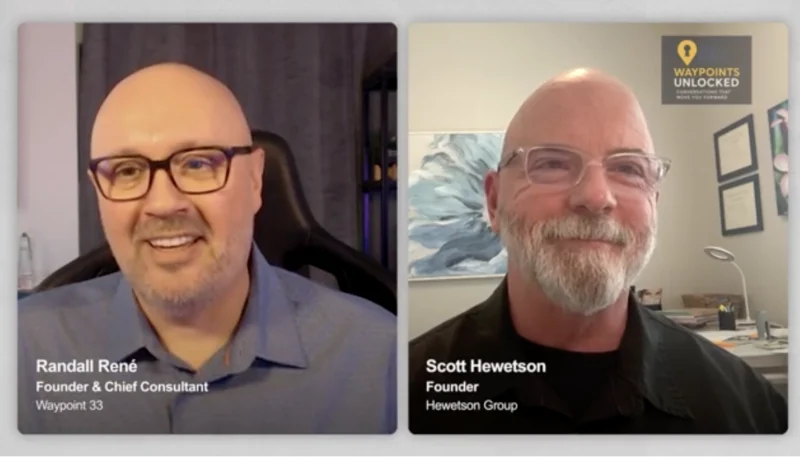
Welcome to Waypoints Unlocked. In the latest episode, Randall René, Principal Advisor and founder of Waypoint 33, shares insights from his blog, Predictive Networks: How Baron Weather and GIS Are Strengthening Telecom Operations. Drawing on his industry experience, Randall explains how integrating predictive weather intelligence directly into GIS systems allows telecom operators to anticipate risk, make smarter field decisions, and design networks built to withstand increasingly volatile conditions.
What you’ll learn…
- Why weather is no longer a background factor in telecom operations but an active force shaping network reliability.
- How Baron Weather’s radar, satellite, lightning, and sensor data—layered into GIS platforms—gives operators site-level visibility before a storm hits.
- How predictive alerts and climate-informed design choices protect field crews, speed restoration efforts, and improve customer trust.
Randall René brings decades of telecommunications leadership experience to the conversation. As founder of Waypoint 33, he advises service providers and communities on operational strategy and resilience planning. He has worked through hurricanes, wildfires, and tornado recovery efforts across the country. Outside of telecom, he has volunteered on the Navajo Nation during COVID response efforts and served as a volunteer police officer in Oregon—experiences that shape his belief that connectivity is not just a service, but a responsibility.
Article written by MarketScale.