Why Organizations Should Approach the Role of Safety as a Department

When everything goes as planned and safety is doing its job, everyone’s happy. But what happens when things do not go accordingly? Then it may be time to call on The Safety Justice League. Hosts Abby Ferri, Jason Maldonado and Jason Lucas joined forces yet again to talk about those less than great expectations and provide some insights on how to turn a bad situation around and prevent crises from occurring in the first place. And often, turning it around starts with the safety professional’s approach.

“We probably deal with things from a safety standpoint that goes off the rails more than other professions,” Lucas said. But Ferri said that it all depends on how an organization situates the role of safety. More and more companies, and safety professionals, are starting to approach the role of safety as a department, like IT. “You involve safety proactively, and they are your advisor,” Ferri said.

Maldonado said one way to look at safety in terms of expectations is expectation management. Perhaps setting the bar too high is only going to lead to disappointment. People want to feel safe more than they want to be concerned with the safety process, and safety experts should learn to adapt to the fact that they will not always achieve great expectations. “You have to go in understanding that there are infinite numbers of possibilities of things that can happen, and you have to be able to figure out how you are going to be okay with whatever they are,” Maldonado said.

Ferri said the challenges for safety professionals go broad and deep. Many organizations safety professionals walk into maybe following safety protocols and systems cobbled together over the years from multiple sources. Getting the proper plan in place and getting buy-in from the top is not always easy. And even when the safety system is solid, often, Maldonado said the organization doesn’t know how to implement the program correctly. “If we could help people figure out how to get people to want to do the safety management system, then I think we win,” Maldonado said.


More Like This Story:

Will Micro-Learning Be the Way for Companies to Offer Training Needs in a Cost-Effective Manner?

An Executive Coach Gives Steps on How Your Team Can Own Their Responsibilities

Follow us on social media for the latest updates in B2B!

Image

Latest

The Tech-Enabled Hospital of the Future: Implications for Care Delivery
March 12, 2026

Gone are the days when a hospital was simply a place where patients received care. Today’s hospitals are rapidly evolving into highly connected ecosystems powered by advanced technology, networked devices, and real-time data. The modern hospital is no longer confined to physical walls—it’s a dynamic digital environment where data flows seamlessly, AI supports clinical decisions,…

Read More
career
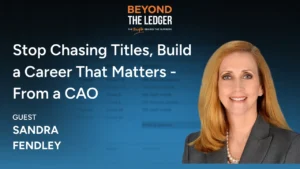
Stop Chasing Titles, Build a Career That Matters: A CAO’s Advice on Long-Term Success
March 11, 2026

Career advice in finance and accounting often centers around promotions, titles, and compensation. But in an era where professionals frequently change jobs every few years—the average American worker now stays in a role for less than four years—industries are facing growing talent shortages and reevaluating what long-term career success looks like. The question many…

Read More
Career success
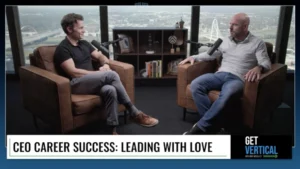
A CEO’s Blueprint for Career Success: Leading with Love to Drive Performance and Culture
March 10, 2026

Leadership right now feels heavier than it did just a few years ago. Teams are stretched, expectations are high, and many employees are quietly disengaged. In fact, Gallup’s 2025 U.S. data shows that only about 31% of employees are actively engaged at work, leaving the majority feeling disconnected or indifferent. For CEOs and senior…

Read More
employer-sponsored apprenticeships
The Degree That Pays You Back: How Employer-Sponsored Apprenticeships Are Rewriting Higher Ed
March 9, 2026

Higher education is under pressure. Over the past few years, public confidence in the value of a four-year degree has declined significantly, with fewer Americans expressing a strong belief that traditional higher education delivers a worthwhile return on investment. At the same time, employers consistently report that graduates lack job-ready skills—particularly the “durable skills”…

Read More