Marketing Technologies Should be at the Center of the Industrial B2B Sector for Companies to See Success
Due to today’s world being so defined by digital transformation and data-driven insights, marketing for business-to-business (B2B) industrial companies faces unique challenges. With industry-specific barriers and the ever-evolving digital marketing landscape, how do these companies keep up with the pace while remaining effective? As the B2B industrial sector is expected to reach $20.9 trillion by 2027, the stakes are high, and the importance of utilizing the right marketing strategies has never been greater.
But how can industrial B2B companies harness modern marketing technologies to drive growth and prove their value? That’s the question we’ll explore in our latest episode.
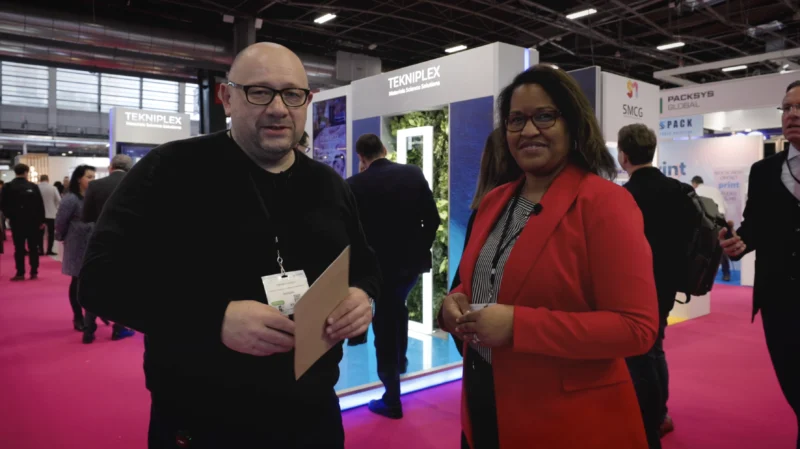
On this episode of the podcast “Get Vertical! With Mike McCalley,” host Mike McCalley interviewed Liliana Torres, Global Head of Marketing-Electrification Services Division at ABB. Torres is a leader who has experienced a journey from entry-level positions to heading marketing for a global division in a multinational company. The two discussed the changes that revolve around their career paths, the role of marketing technologies, and how to navigate marketing in the B2B industrial landscape.
Several other points that McCalley and Torres explored included:
- The transition from traditional marketing methods to utilizing modern marketing technologies.
- The challenges and advantages of implementing marketing automation in industrial B2B companies.
- How to continuously learn, adapt, and leverage marketing technologies to drive business objectives.
Liliana Torres has worked in the B2B industrial sector for almost 30 years. She began her career at The Brink’s Company before moving to GE, and finally landing a leadership role at ABB, where she’s been for five years. With her comprehensive experience and impressive track record, Torres has valuable insights into the evolution of marketing within the sector and the power of embracing change.