Master the Art of Public Speaking: NSA’s Secrets to Catapulting Your Career
Public speaking is an art, requiring a special blend of skill, talent, and charisma. It also necessitates an understanding of audiences, honing messages for maximum impact, and being able to command a stage.
In today’s digital age, these abilities can catapult careers, build brands, and incite social change. The National Speakers Association (NSA) is a pivotal hub in this landscape, providing platforms and resources for speakers to excel. The organization focuses on innovation and out-of-the-box thinking, reflecting the dynamic nature of the craft. The NSA’s handpicked speakers, therefore, are trailblazers setting new standards in communication and influence.
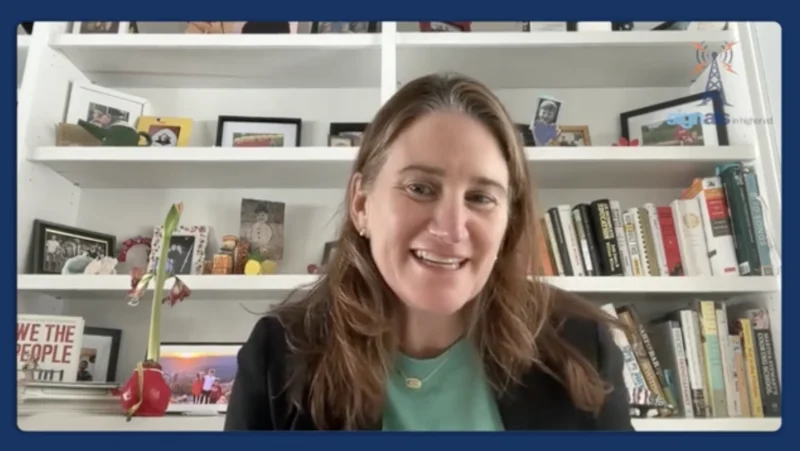
This episode of the CoachYu Show focuses on Jacob Hastings from Blitzmetrics and Jamie Nolan, CEO of the National Speakers Association (NSA). They discuss the NSA’s role in aiding its members to enhance their speaking businesses and skills.
The NSA, representing 2,200 national and 20 international members, focuses on speaker training, coaching, and consulting. Guest speakers for NSA events are selected based on their success in building their speaking businesses. They are expected to share insights with NSA members to help them improve their businesses or public speaking skills.
Each conference has a theme, and speakers are chosen accordingly. Jamie’s advice for aspiring professional speakers is to join the NSA for access to experienced mentors, networking opportunities, and practical advice on professional speaking and business building.