Professional Development Gives Educators an Immersive, Engaging Experience

Today’s educators face more challenges than ever before. With the pandemic adding new layers of complexity to teaching, are our educators sacrificing their professional development to get through this time of socially distanced learning?
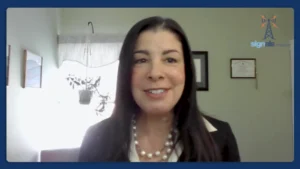
With time a precious and scarce commodity these days and in-person training not realistic, how can educators get the professional development they need to succeed in the classroom now and well after the pandemic? Lori Lynch, M. ED, and Senior Vice President of Customer Success at Istation, shared her thoughts.
Lynch said one of the best approaches to providing educators with meaningful professional development is through micro-learning. This is important because waiting until the pandemic is over to focus on professional development could prove costly.
“If we put off PD, professional development, altogether, I think we lose sight of how fluid education is,” Lynch said. “And there are going to be new and different tactics and things we’re going to need to do to increase the learning and retention for our students. If we don’t pay attention to those focus points, we could easily lose sight of what’s going on in education today and go back to old habits.”
Why does Lynch think micro-learning is the right solution for obtaining professional development?
“Rather than doing the one-and-dones of the world where you go and you spend two hours in a workshop and you walk away with maybe 10% of that information, we’re stretching personal development out over time, and that’s really respectful of that brain research. You might have small learning chunks from Istation or other edtech companies over a three-to-eight-month period, which is right in line with your school year,” Lynch said. “You may be working with someone for 30 minutes to an hour each month.”
This approach allows educators to retain knowledge and have follow-up sessions for updates and feedback. It’s a methodology Lynch believes will continue after the pandemic subsides.
Twitter – @MarketScale
Facebook – facebook.com/marketscale
LinkedIn – linkedin.com/company/marketscale