Research Supports Personalized Learning’s Potential. Experts Say Not to Launch it Prematurely in Students’ Education.
The debate around personalized learning in education has been gaining traction in recent years. A recent survey from consulting firm Tyton Partners shows parents are increasingly advocating to “direct and tailor” their K-12 students’ education experience. As schools look for ways to engage students and improve learning outcomes, the focus has turned towards understanding the role of students’ interests in shaping their educational experiences.
The numbers back up the promise and impact of personalized learning. A 2018 study by RAND Corporation found that personalized learning can lead to significant improvements in student achievement when implemented correctly. More recent standardized test scores out of California from during the pandemic found that students enrolled in the state’s APLUS+ personalized schooling network saw an increase in the percentage of students exceeding ELA and math standards, while the share of traditional public school students meeting said standards decreased. While personalized learning has many proponents vouching for it, experts caution against limiting young children to subjects they are currently drawn to, as this could restrict their opportunities for exploration and growth.
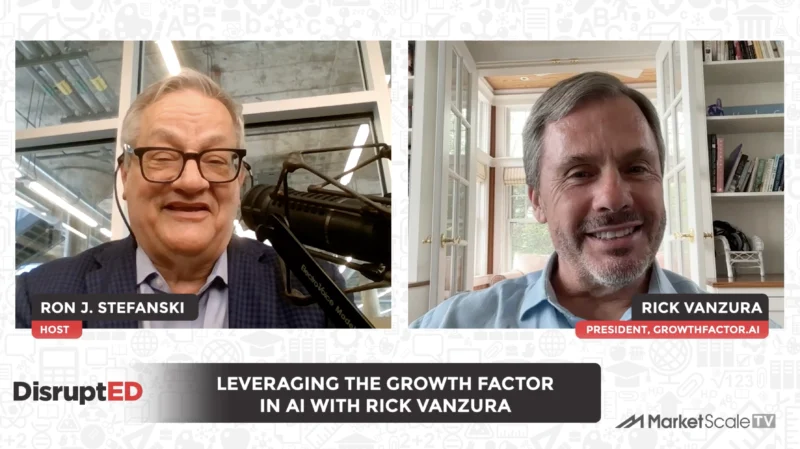
Striking a balance between catering to students’ interests and ensuring a well-rounded education is crucial for maximizing the benefits of personalized learning. Michael Horn, host of The Future of Education, reflects on the trend and gives his perspective on whether schools should fully cater student education to the students’ personalized interests.
Michael’s Thoughts
“The question I often get when I’m on the road talking about personalizing learning is: Should we only expose kids to what they’re interested in and just expect them to follow their interests and learning? And I say particularly for young kids, absolutely not, because they don’t know what they’re interested in. They just haven’t been exposed to a lot of the world. They don’t have a sense of how they can contribute to the world, how to participate and partake meaningfully in the world. What they might gravitate toward and what passions they might build over time.
And so if you limit them based on their interests and some of these interest-based inventories to try to figure out what’s your ideal career or something like that, you’re actually arbitrarily cutting off opportunity before they’ve had a chance to explore. So let them explore. Let them dig in. Let them build passions. And then we could follow the interests over time as they deepen and they have a deeper understanding of what’s even out there in the first place. In other words, yes to personalization, but don’t limit their potential based on interests prematurely.”
Article written by Daniel Litwin