Leveraging Technology to Close Healthcare Gaps

The challenges healthcare executives and administrators face are constantly changing. Host Kevin Stevenson talks with the heroes behind the heroes that are enabling hospitals, urgent care centers and telemedicine operators to spend their time tending to patients, while they handle the logistics.
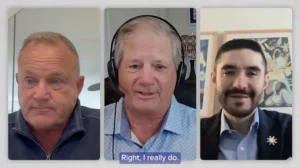
Telehealth grew tremendously in the last year, but not all patients have access, especially those in underserved populations. How is the country dealing with the gap? I Don’t Care host Kevin Stevenson welcomed Richard and Nathan Walsh, Co-Founders of Continuud, a patient access program using telehealth platforms. These serial entrepreneurs began building businesses in the tech space. They also had a passion for community service, leading to the creation of Continuud.
The goal is to merge patient experience with the clinical experience. The device can include life skills classes, educational opportunities, and job search” Richard Walsh
Richard explained what makes their platform different. “We work with nonprofits and federally qualified organizations to break down barriers to access. The focus now is on chronic illness management, specifically HIV.”
Continuud is more than software. They provide tablets, as well, because access to video-ready phones or other devices isn’t a reality. Nathan added, “It’s surprising how many Americans don’t have this; it’s one in five.”
They designed their platform to support health experts. “Our hardware can be the vehicle and catalyst for organizations to administer telehealth how they want,” Nathan commented.
Richard and Nathan shared research and studies that support telehealth’s adoption and its ability to engage and be more in control of their own health.
How healthcare groups use the devices goes beyond the virtual visit. The devices can include apps to get emergency services, resources, or even pill reminders to improve medication nonadherence.
“We can push out new applications to the patient level. The goal is to merge patient experience with the clinical experience. The device can include life skills classes, educational opportunities, and job search,” Richard said.
The company’s vision is to empower clinicians to deliver holistic treatment. The more engaging the technology, the better the outcomes. Nathan explained, “With the resources and gamification, the technology can make the patient a better and more sustainable person.”
Follow us on social media for the latest updates in B2B!
Twitter – @MarketScale
Facebook – facebook.com/marketscale
LinkedIn – linkedin.com/company/marketscale