How Public Schools are Mitigating the Impact of COVID-19: I Don’t Care

The global COVID-19 pandemic has initiated ripple effects across every global industry, and education is no exception.

Universities and public school districts around the U.S. are being proactive in addressing the impact of this viral outbreak, working to mitigate the impact of COVID-19 on students, faculty and surrounding communities.

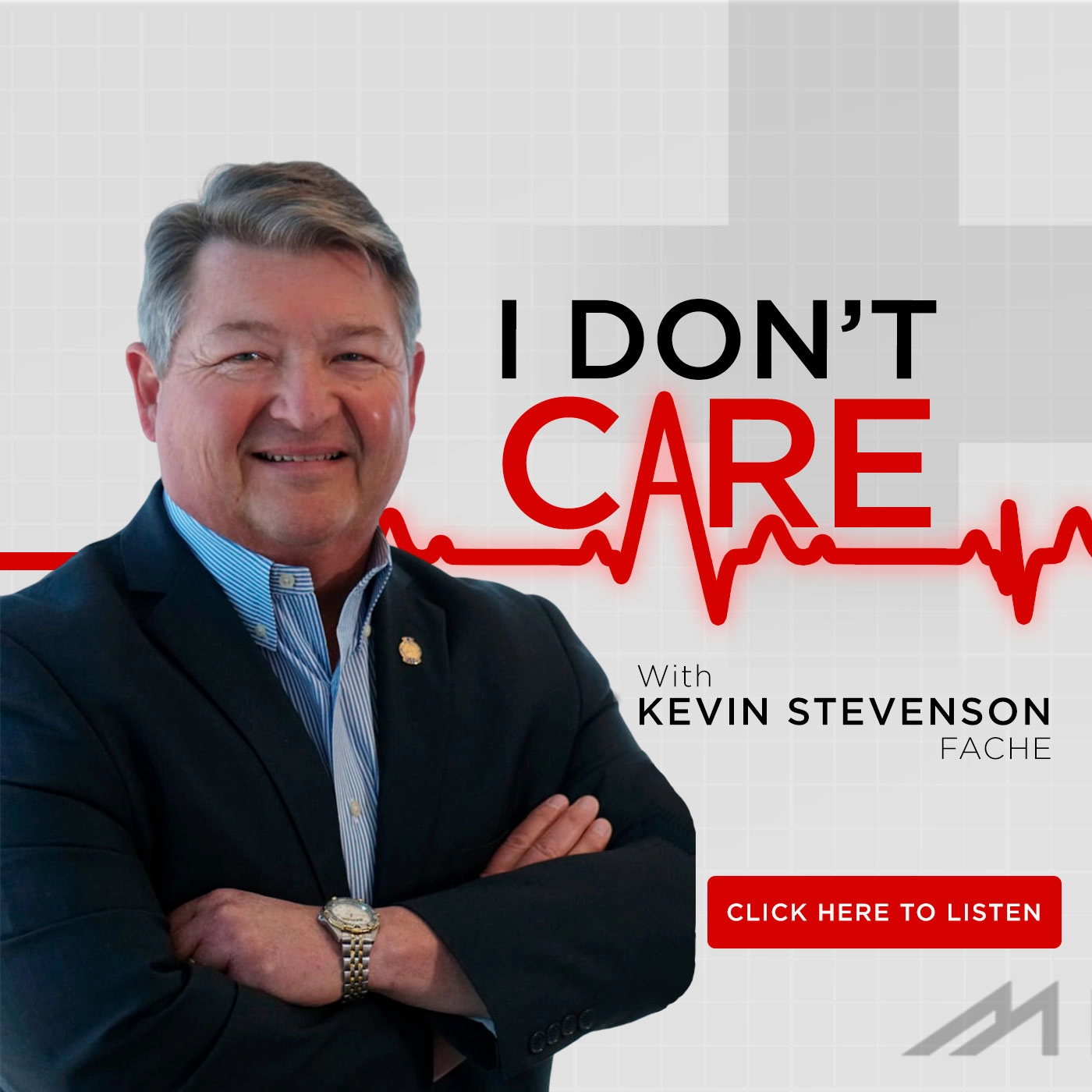
On this episode of I Don’t Care with Kevin Stevenson, Stevenson was joined by Keller ISD attorney Amanda Bigbee, who detailed how her district is handling everything from online learning, meal provision for students who rely on it and more.

To begin, Keller ISD shuttered for two weeks at the recommendation of Tarrant County health officials, leveraging the benefit of already being effectively closed for spring break to attempt to mitigate the potential spread of the virus.

In particular, Bigbee said communication is critical for public school systems like Keller ISD.

“We did not panic. … We started the emergency management plan, which we have in place,” Bigbee said. “We began the communication process to our families so they knew they wouldn’t be returning on Monday and started trying to move the wheels to figure out how we educate 36,000 kids with varying levels of needs online. It’s been nonstop since the morning of Friday, March 13.”

Catch upon previous episodes of I Don’t Care with Kevin Stevenson!
For the latest news, videos, and podcasts in the Healthcare Industry, be sure to subscribe to our industry publication.

Follow us on social media for the latest updates in B2B!

Twitter – @MarketScale
Facebook – facebook.com/marketscale
LinkedIn – linkedin.com/company/marketscale

Follow us on social media for the latest updates in B2B!

Image

Latest

learning
From 30 to 1,500 Students: Scaling Mass Experiential Learning with How to Change the World
January 5, 2026

Higher education is at a crossroads. Institutions are being asked to do more with less—serve more students, prepare them for a rapidly changing, AI-shaped workforce, and prove the real-world value of a degree—all at the same time. Employers consistently note that while graduates are technically capable, many struggle to apply what they’ve learned to…

Read More
What the Future Looks Like if We Get It Right
December 30, 2025

As the Patient Monitoring series concludes, the conversation shifts from today’s challenges to tomorrow’s possibilities. This final episode of the five-part Health and Life Sciences at the Edge series looks ahead to what healthcare could become if patient monitoring gets it right. Intel’s Kaeli Tully is joined by Sudha Yellapantula, Senior Researcher at Medical…

Read More
data center infrastructure
AI Is Forcing a Rethink of Data Center Infrastructure at Every Level
December 29, 2025

The data center industry is being redefined by AI’s demand for faster, denser, and more scalable infrastructure. According to McKinsey, average rack power densities have more than doubled in just two years. It went from approximately 8 kW to 17 kW, and is expected to hit 30 kW by 2027. Global data center power demand is projected…

Read More
Emergency department
How Predictive AI Is Helping Hospitals Anticipate Admissions and Optimize Emergency Department Throughput
December 24, 2025

Emergency departments across the U.S. are under unprecedented strain, with overcrowding, staffing shortages, and inpatient bed constraints converging into a throughput crisis. The American Hospital Association reports that hospital capacity and workforce growth have lagged, intensifying delays from arrival to disposition. At the same time, advances in artificial intelligence are moving from experimental to operational—raising…

Read More