Sunrise Labs Job Opportunity: Impact Medical Technology as a Software Engineer & Architect

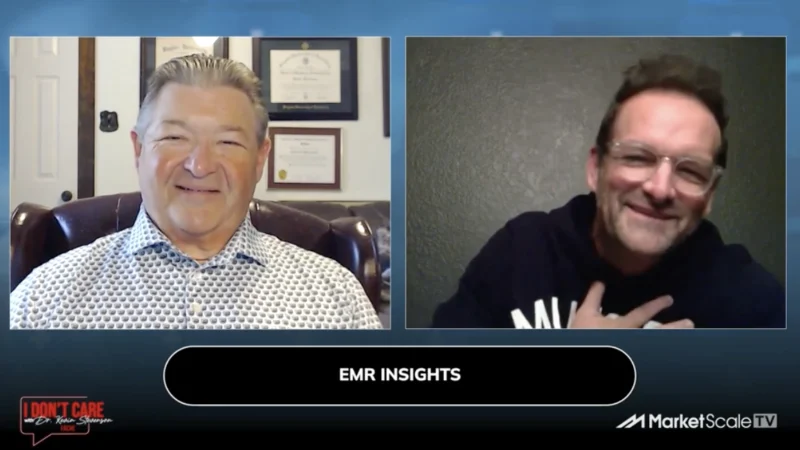
With healthy growth rates projected for the medical technology and devices industry globally, MedTech careers are in high demand. On this episode of Making Bright Ideas Work, we break down how two open positions in the software and product development field at Sunrise Labs are affecting medical change on an industry level. To share their insight, host Daniel Litwin sat down with Jim Turner, director of software development, and Mike Goulet, program manager & software technical lead.
“We have a lot of opportunities here at Sunrise,” Turner said. Sunrise Labs has been delivering medical device design and engineering expertise for more than 25 years.
The Embedded Software Engineer is tasked with leading the company forward into new product markets, bringing deep C or C++ skills, Linux applications experience, and wireless protocol experience. Personality-wise, Sunrise is looking for someone with a strong, driving desire to bring cutting-edge products to the table, Goulet said.
In addition, Sunrise is seeking a Software Architect who’ll be tasked with architecting, leading, and developing medical device software, including embedded software. They’ll lead a software development team, provide project direction using agile development methods, and write detailed software design descriptions.
The key to success in these positions, Turner said, is the unparalleled ability for employees to express themselves well. That’s because both these positions will have a hand in crafting important, industry-affecting devices that improve real patients’ lives.
Give this a listen to learn more about the culture at Sunrise Labs, why their energy draws parallels to Hamilton the Musical, and what you should do to prepare for the interview.
If you’d like to apply for either position, click here.
For the latest news, videos, and podcasts in the Healthcare Industry, be sure to subscribe to our industry publication.
Follow us on social media for the latest updates in B2B!
Twitter – @HealthMKSL
Facebook – facebook.com/marketscale
LinkedIn – linkedin.com/company/marketscale