The Lifecycle of a Container


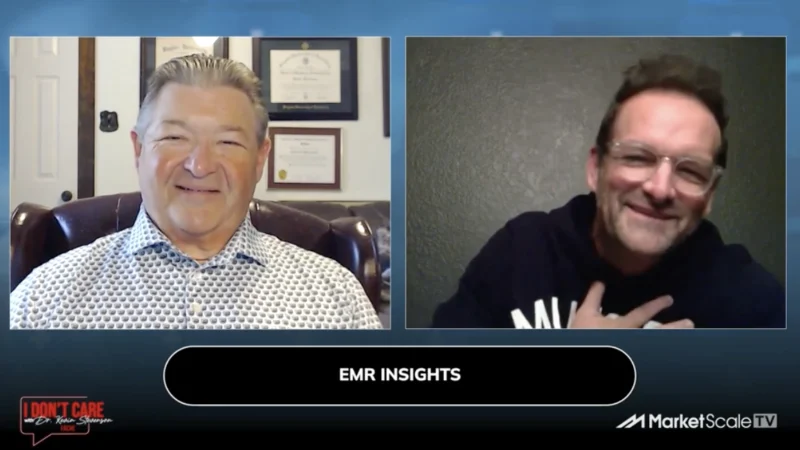
On this episode of the podcast, host Tyler Kern talked with Kelly Swails, Senior Clinical Educator for Censis Technologies, the industry leader in surgical instrument management systems, offering advanced, web-based software systems.

Kern and Swails talked about the lifecycle of a container and the importance of tracking during the process.

Today, we’re talking about documenting the lifecycle of a container. As a clinical educator, Swails helps companies optimize their use of CensiTrac Instrument Management, the first surgical instrument tracking system built to track all the way down to the instrument level and make documenting processes easier and more efficient.

When you think of the lifecycle of a container, it’s neverending, according to Swails. The No. 1 area where containers don’t get documented is in decontamination. When they come into this area, they go through pre-clean and washers.

“If you have a tracking system, you have that capability with CensiTrac to scan into that decontamination module,” Swails said. “You’ve now documented that container history that that stuff was cleaned. However, if you don’t have a tracking system, you have to write it on paper. Even for those that do, sometimes they’re skipping that part, and that may be due to a lack of computers, lack of knowledge or education or knowing that they should be doing this and it should be documented.”

Once a container is cleaned, it comes through tray assembly, and Swails noted this is where she typically sees good compliance. Then it goes through sterilization, case cart assembly, and back to the operating room.

Interested in learning more about Censis Technologies’ surgical asset management platform? Visit Censis.com.

Follow us on social media for the latest updates in B2B!

Twitter – @MarketScale
Facebook – facebook.com/marketscale
LinkedIn – linkedin.com/company/marketscale

Follow us on social media for the latest updates in B2B!

Image

Latest

career
What to Do When Your Career Feels Stuck: Invest in Yourself, Stay Intentional, and Build the Right Network
April 29, 2026

Work doesn’t feel the way it used to. Between new tech, changing expectations, and the constant pressure to keep up, a lot of people—even those who look successful on paper—are quietly wondering what’s next. In fact, recent workforce studies suggest a large share of employees feel disengaged or uncertain about their next move, despite…

Read More
Rural School
How Rural Schools Are Redefining School Safety Through Relationships and Proactive Systems
April 28, 2026

On Principles of Change, a podcast by Raptor Technologies, host Dr. Amy Grosso sits down with Dr. Miguel Salazar, principal of Sundown Middle School in Sundown, Texas, to explore how one rural district is redefining school safety through culture, systems, and human connection. Together, they unpack how proactive frameworks, community values, and intentional relationship-building can…

Read More
StudentSafe
Understanding Raptor StudentSafe
April 28, 2026

In this episode of School Safety Today, host Dr. Amy Grosso speaks with Chris Noell, Chief Product Officer at Raptor Technologies, and Will Durgin, Director of Student Well-Being, about the vision behind StudentSafe and how it helps schools move from reactive responses to proactive student support. Together, they emphasize that safer schools depend on giving staff…

Read More
school safety
Going Slow to Go Fast in School Safety Leadership
April 28, 2026

In this episode of the Principles of Change podcast, presented by Raptor Technologies, host Dr. Amy Grosso talks with Tim Dykes, Assistant Principal for Culture and Climate at York Community High School in Elmhurst, Illinois. The conversation highlights how strong relationships, student voice, and steady long-term leadership can help schools build environments where people feel…

Read More