Experiential Experts: Why Representation Matters in the Workforce – Diversity, Equity, and Inclusion
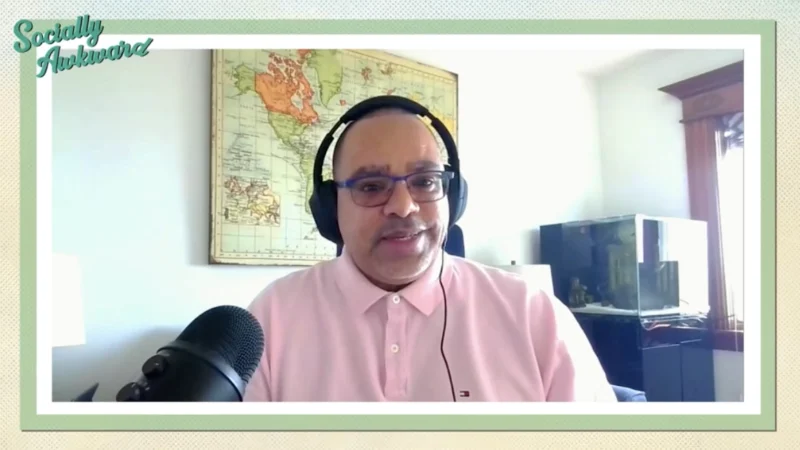
While the pandemic may have put a pause on travel over the last two years, things are gearing back up, with different industries hosting a splurge of in-person, hybrid, and virtual events. ImpactXM is proud to be servicing over 25 clients at the ICSC Las Vegas event from May 22-24th. In the meantime, hosts Lorre Crisswell and Holly Zalenski reflect on ImpactXM’s 15th Anniversary Rethink conference last year, with special guest and now Vice President of Account Management Sohini Mitra leading the way on diversity, equity, and inclusion in the workplace.
Representation effects how minorities and society view and interact with each other, “Interestingly enough, representation, or lack thereof, starts at a very early age and it follows us through the rest of our lives,” said Mitra.
In a survey conducted on children’s characters in the media with over 1600 main characters, 65% of the characters in programs were white and 38% were women or girls. Interestingly, the girls were more likely to solve problems using magic while the men and boys were more likely to solve problems using science, math, technology, or brawn.
“The hours that these children spent consuming the media, it shaped what they imagined to be possible for people who look like them,” continued Mitra.
As they mature, these images begin to really shape their potential. The self-esteem of girls and minority children were effected by this lack of representation.
In the workforce, similar situations play out. While we start off on equal footing for entry level jobs, as careers progress, these shared representations drop off. This means, as Mitra said, “When decisions are being made, there aren’t enough women of color sitting at the table, representing their communities.”
It’s difficult to make decisions that represent these communities without this representation -because representation matters.
With the future involving algorithmic technologies, it is more important than ever to have wide and meaningful representation, helping to eliminate bias in the workplace and in many different industries. To impact the future we must start with representation.